# Human-Made Chemicals Harming Seals at Molecular Level, Arctic Research Shows
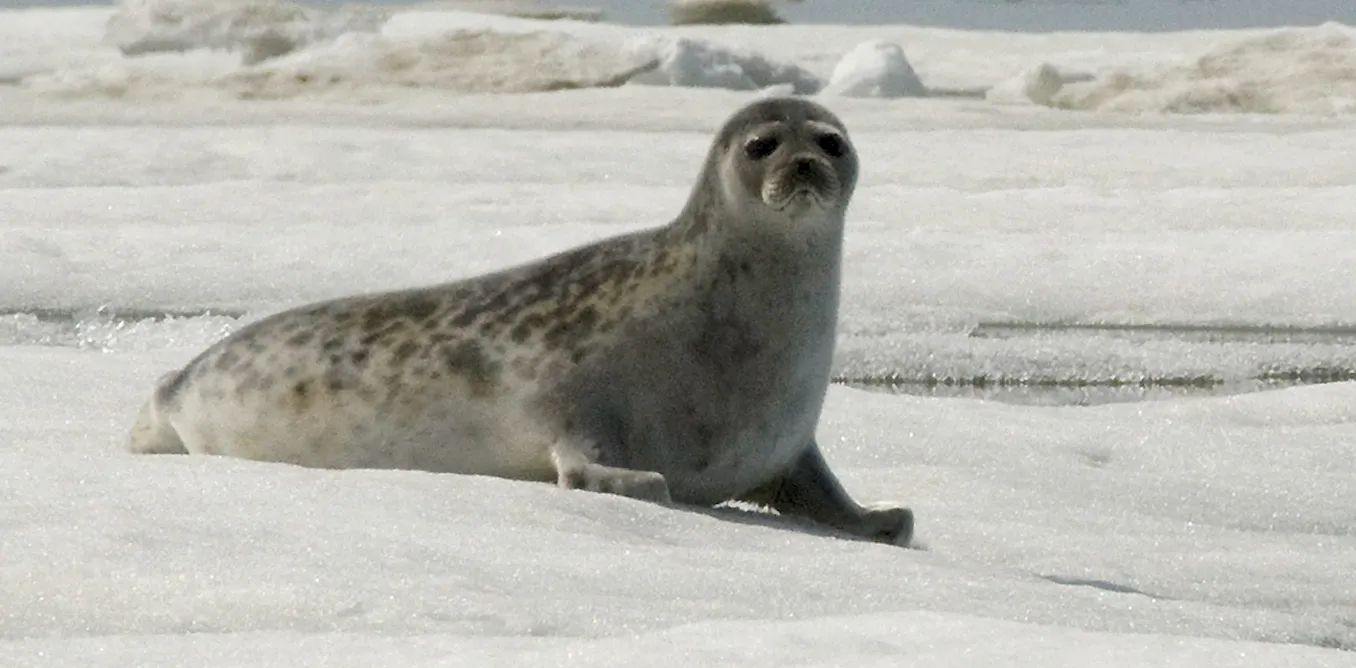
Seals in the Arctic are experiencing damage at the cellular level from human-made chemicals entering their food web, according to new research. Scientists documented how persistent organic pollutants accumulate in marine animals as they move up the food chain, ultimately concentrating in seal tissues at dangerous levels.
The study examined how these chemicals, which include legacy pesticides and industrial compounds banned decades ago in many countries, persist in Arctic ecosystems. Even though many nations phased out products like DDT and PCBs, these substances remain active in the environment and continue moving through ocean food webs. Smaller organisms ingest the chemicals, and seals consuming contaminated fish accumulate exponentially higher concentrations.
Researchers found molecular-level damage in seal cells, indicating stress responses and potential harm to immune function and reproduction. The chemicals interfere with normal cellular processes, weakening seals' ability to respond to other environmental threats.
Climate-driven sea ice loss compounds these chemical pressures. As warming Arctic waters transform seal habitat, animals experience increased energy demands while finding less stable platforms for resting and breeding. The combination of chemical exposure and rapid environmental change creates what scientists describe as compounding stressors that reduce population resilience.
The Arctic serves as a global sink for airborne pollutants. Atmospheric circulation patterns carry chemicals from industrial regions thousands of miles north, where they accumulate in cold environments. Indigenous communities and wildlife dependent on Arctic food webs face the greatest exposure risk.
The findings underscore how legacy pollution continues damaging wildlife decades after production bans took effect. Seals lack biological defenses against these persistent compounds, making them sentinel species for Arctic ecosystem health. Researchers emphasize that addressing Arctic pollution requires international cooperation to prevent new chemical releases and monitor ongoing contamination patterns.