# All-Female Species: How Some Animals Reproduce Without Males
Across the animal kingdom, certain species have abandoned sexual reproduction entirely. These all-female populations reproduce through parthenogenesis, a biological process that produces offspring without male contribution. Scientists have documented this phenomenon in lizards, insects, amphibians, and fish.
The whiptail lizard stands as one of nature's most studied examples. Some whiptail species in the southwestern United States consist entirely of females that clone themselves, creating genetic copies of their mothers. Each generation reproduces asexually, maintaining identical DNA across generations.
This reproductive strategy offers both advantages and limitations. All-female species avoid the metabolic costs of producing males and eliminate the time spent searching for mates. Population growth accelerates when every individual can reproduce. However, asexual reproduction reduces genetic diversity. Without genetic recombination from two parents, populations cannot adapt quickly to environmental changes or develop resistance to new diseases.
Parthenogenesis appears in several forms. Some species produce clones through apomixis, where the egg develops without fertilization. Others use automixis, a process where genetic material from the egg itself replaces sperm contribution, creating modest genetic variation. Still other species maintain males but only use them occasionally for genetic refreshment.
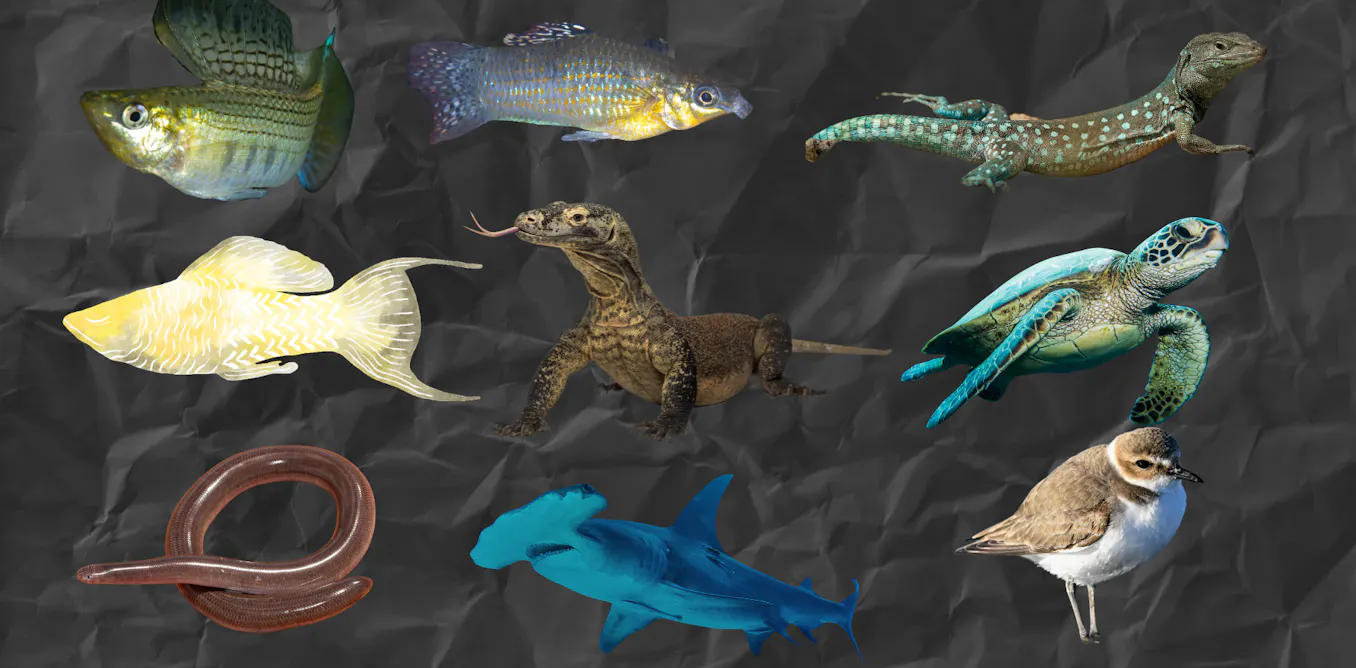
Biologists observe parthenogenetic reproduction in certain stick insects, some species of whiptail and racerunner lizards, several frog and salamander species, and certain fish like the Amazon molly. In laboratory settings, scientists have observed it in fruit flies and other insects under controlled conditions.
The evolutionary persistence of all-female species raises questions about long-term survival. While asexual reproduction succeeds in stable environments with abundant resources, environmental stress often favors sexually reproducing populations. Some parthenogenetic species appear to be evolutionary dead ends, while others have persisted for millions of years.
Understanding