# Why Digital Resilience Is Critical for U.S. K-12 Schools
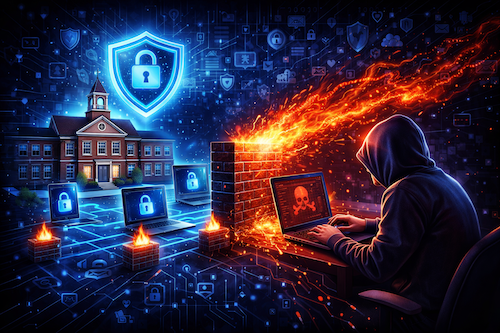
K-12 school districts face an unavoidable reality: cyberattacks will happen. District leaders learned this lesson sharply in 2025, shifting focus from prevention alone to building systems that survive digital threats.
Schools operate increasingly on digital infrastructure. Learning management systems, student information systems, enrollment platforms, and classroom tools all depend on uninterrupted connectivity. A ransomware attack or data breach doesn't just disrupt technology—it disrupts instruction, delays grades, compromises student privacy, and strains already tight budgets through recovery costs and ransom demands.
The shift from "if" to "when" reflects data on attack trends. Ransomware targeting schools has accelerated. Districts report incidents that shut down operations for days or weeks. Some attacks expose sensitive information on thousands of students and staff members. Recovery costs run into millions for mid-sized districts.
Digital resilience addresses this reality through concrete steps. Schools build redundancy into critical systems so operations continue if primary systems fail. They segment networks so an attacker cannot easily spread from one system to another. They back up data frequently and store copies offline so files survive encryption attacks. They conduct drills to test response plans before real incidents occur.
Staffing matters too. Most school districts lack dedicated cybersecurity staff. Many technology directors manage security as one of dozens of responsibilities. Some districts hire external consultants or join regional consortiums to share expertise and costs.
Funding remains a persistent barrier. Schools operate on tight budgets. Cybersecurity competes with classroom needs, building repairs, and salary increases. Federal grants help some districts, but gaps remain. The Cybersecurity and Infrastructure Security Agency offers guidance and resources at no cost, yet implementation requires money.
Leadership commitment drives progress. Superintendents and boards must treat digital resilience as non