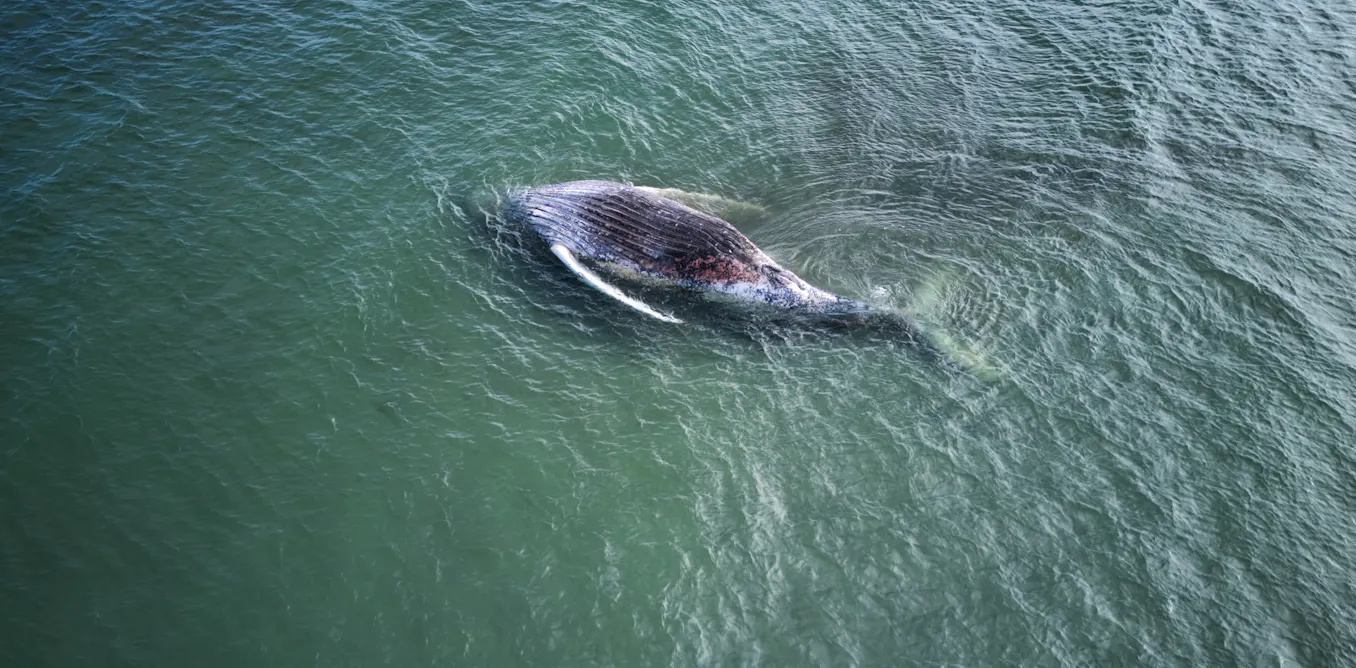
# Timmy the Whale's Death Raises Questions About Animal Rescue Ethics
The death of Timmy, a whale that became the focus of intense public attention and rescue efforts, has reignited debate about how societies balance emotional attachment to individual animals against broader animal welfare principles.
The whale's stranding and subsequent rescue attempt captured widespread media coverage and public sympathy. Thousands followed updates as rescue teams worked to return the animal to open water. The emotional investment reflected a human tendency to focus intensely on individual creatures, especially when their plight becomes visible and personalized.
However, the outcome raises difficult questions about rescue protocols and decision-making processes. Experts in animal welfare and marine biology emphasize that responses to animal emergencies should prioritize evidence-based practices over emotional impulses. This includes honest assessments of survival odds, minimization of stress during interventions, and consideration of resources spent relative to outcomes.
The broader concern centers on how public emotion shapes animal rescue priorities. High-profile cases like Timmy's attract volunteers, donations, and media attention, while less visible wildlife crises affecting thousands of animals receive minimal resources. This creates a system where charisma and visibility determine conservation funding rather than need or impact.
Marine specialists point to established protocols for whale strandings that consider water temperature, species recovery rates, injury severity, and realistic rescue feasibility. When emotional responses override these guidelines, rescue attempts can prolong suffering rather than prevent it.
The Conversation piece argues for more systematic, dispassionate approaches to animal welfare decisions. This means funding research on effective intervention techniques, training responders in evidence-based best practices, and acknowledging when rescue attempts may cause more harm than benefit.
Timmy's death offers an opportunity to examine how societies allocate resources for animal protection. Moving forward requires balancing compassion with realism, ensuring that future decisions rest on science rather than sentiment alone.
CATEGORY