# Forensic Entomology Has Evolved Since "Silence of the Lambs"
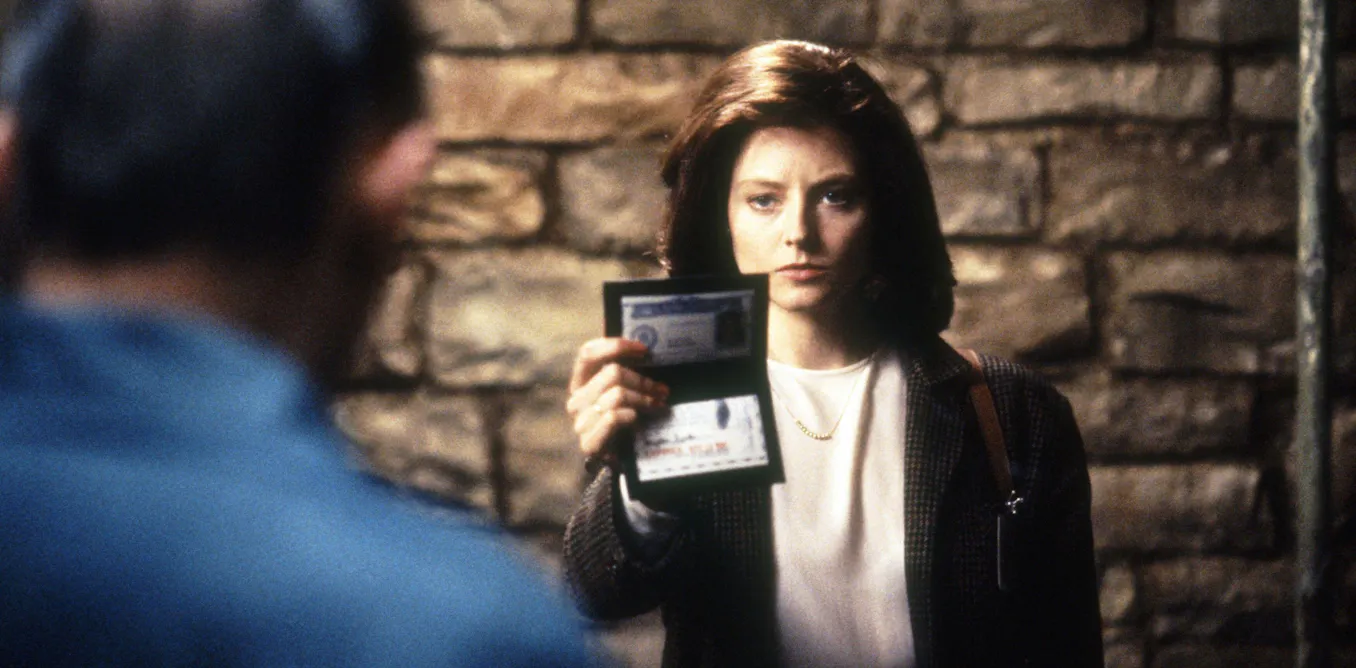
The 1991 thriller "The Silence of the Lambs" brought forensic entomology into popular culture when FBI trainee Clarice Starling discovered a death's-head hawkmoth cocoon in a victim's mouth. The scene captivated audiences and sparked genuine interest in how insects reveal truths about crime scenes. But the science depicted in that film differs substantially from modern practice.
Forensic entomologists today apply more rigorous methods than the film suggested. Modern investigators focus on insect succession, the predictable colonization of remains by different species over time. Blow flies arrive first, followed by flesh flies and beetles. By identifying which insects inhabit a body and their developmental stages, scientists estimate post-mortem intervals with greater accuracy than earlier generations could achieve.
Technology has transformed the field. Contemporary labs use DNA analysis on insect specimens to determine where they originated and whether they traveled on a body or clothing. Climate modeling software now calculates decomposition rates based on temperature, humidity, and other environmental factors far more precisely than visual estimation alone. Genetic sequencing of insect gut contents provides clues about victim location and movement.
The discipline has also formalized training and standards. Professional organizations established protocols for specimen collection, preservation, and analysis. Forensic entomologists now testify in court with evidence that meets rigorous evidentiary standards, unlike the earlier era when expert testimony relied more on experience and intuition.
Education has expanded too. Universities now offer specialized courses in forensic entomology, creating pathways for rigorous study rather than the apprenticeship model that dominated decades ago. Students learn insect biology, statistics, and evidence handling alongside crime scene investigation.
The core principle remains unchanged from the film era: insects don't lie. They arrive, feed, reproduce