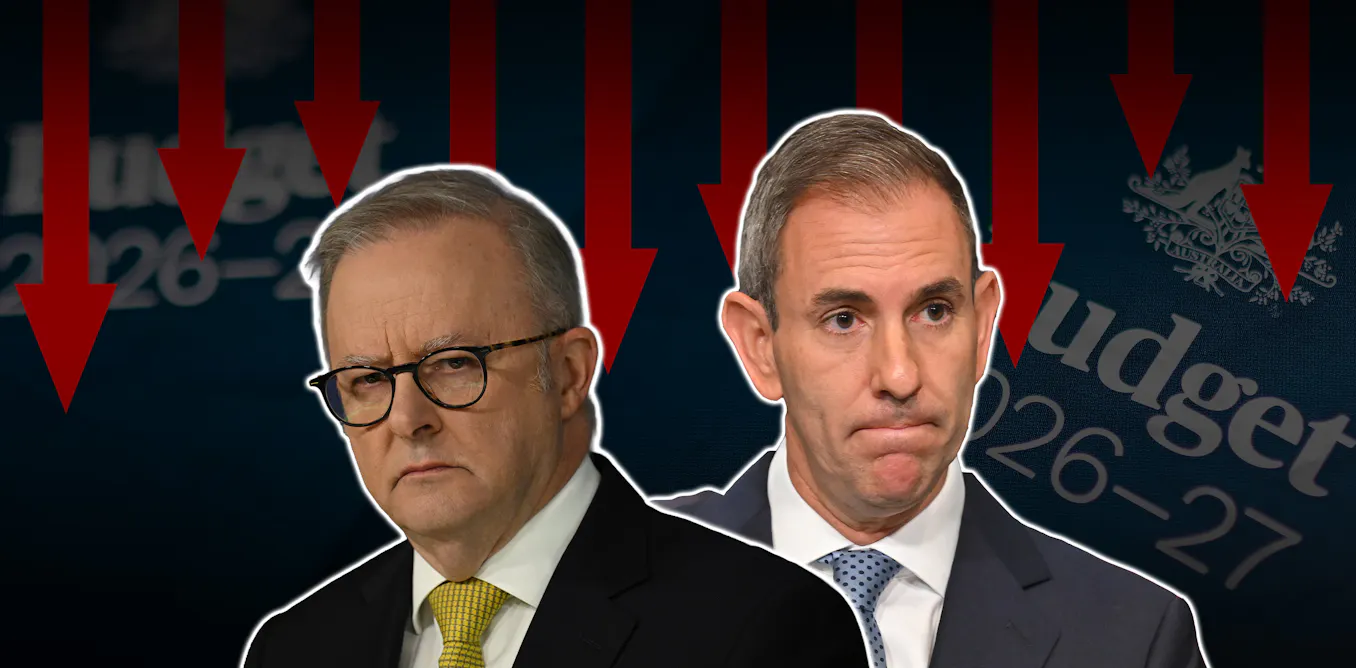
# Labor's Poll Slump After Budget, but Lead Remains Intact
Australia's Labor government has lost ground in multiple post-budget polls released this week, though the party maintains a clear advantage heading into the next federal election cycle. Five separate surveys show Labor declining in voter support, while One Nation has gained one to three percentage points across all five polls.
The polling shift reflects typical post-budget political movement, where government decisions on spending and taxation trigger voter reactions. Labor's policy announcements appear to have cost the government support among some voter segments, but the party's overall lead persists across major polling organizations.
One Nation's consistent gains across every poll point to growing appeal among voters dissatisfied with both major parties. The minor party's three-point ceiling in some surveys suggests real movement rather than statistical noise, signaling potential implications for seat distribution in a future election.
The polls included responses from voters evaluating Labor's spending commitments, tax policy, and fiscal strategy. While no single poll shows Labor trailing its opponents, the direction of movement indicates the budget faced public pushback on specific measures.
For educators and students, budget votes affect funding for schools, universities, vocational training, and student support services. Labor's proposed spending on these areas may have triggered opposition among voters concerned about taxation or government expenditure overall.
The polling snapshot arrives during the parliamentary schedule when governments typically face greatest scrutiny of their financial priorities. Labor faces ongoing pressure to defend budget choices while competing against growing One Nation momentum.
Political analysts note that post-budget polling often stabilizes within weeks as news cycles shift. However, the consistent One Nation gains across five different organizations suggest the trend reflects genuine voter movement rather than temporary reaction.
Labor holds the advantage in upcoming elections based on current numbers, but the downward trajectory and minor party growth signal the government cannot assume voter loyalty. The party faces a critical period of rebuilding support or risk further erosion before the