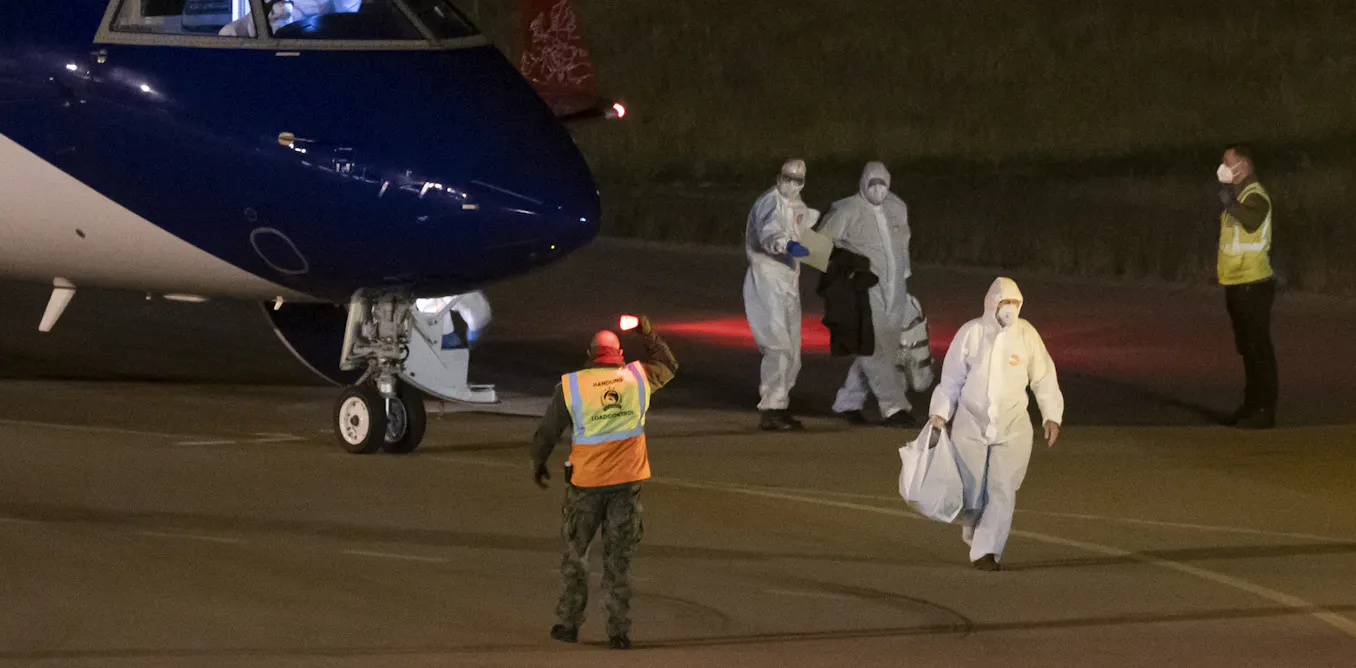
# Hantavirus Outbreak Exposes Gaps in Global Pandemic Preparedness
A hantavirus outbreak has prompted health experts to sound alarms about weaknesses in pandemic prevention and response systems worldwide. The current outbreak, while expected to be contained, reveals structural failures that leave populations vulnerable to future disease threats.
Hantavirus spreads primarily through contact with infected rodent droppings and urine. Unlike respiratory viruses such as COVID-19, it does not spread person-to-person, making containment more straightforward. However, experts warn the outbreak demonstrates how unprepared many nations remain for zoonotic diseases that jump from animals to humans.
Key gaps include insufficient surveillance networks to detect emerging infections early, inconsistent disease reporting standards across countries, and limited funding for prevention infrastructure in resource-constrained regions. Many nations lack real-time data systems to track disease spread. International coordination remains fragmented, with some countries slower to share outbreak information than others.
The World Health Organization and national health agencies face persistent challenges recruiting trained epidemiologists and maintaining laboratory capacity. Vaccine development timelines for novel pathogens stretch months or years. Testing capacity often concentrates in wealthy nations, leaving developing regions dependent on external support.
Education systems have not kept pace either. Few countries integrate pandemic preparedness into medical and public health curricula, creating workforce shortages when outbreaks strike. Emergency response protocols vary widely and often lack adequate funding.
The hantavirus case underscores lessons from COVID-19. When preparedness systems fail, economic costs soar and lives are lost unnecessarily. Experts call for sustained investment in disease surveillance, cross-border data sharing agreements, and strengthened laboratory networks. Countries must also stockpile critical supplies and establish clear chains of command before crises hit.
This outbreak serves as a test of institutional memory. Nations that respond swiftly now will better protect populations against future