# Garden Design Without Tech: Lessons from History
Gardeners at the 2024 Chelsea Flower Show faced criticism after using artificial intelligence to help design their garden displays. The controversy highlights a broader debate about technology's role in creative fields, including horticulture and landscape design.
In response, some designers and garden experts are turning to historical principles that predate computers entirely. These approaches rely on observation, sketching, geometry, and an understanding of how plants grow and interact with their environment.
Traditional garden design methods offer practical alternatives. Many successful gardens have relied on principles like symmetry, proportion, and color theory for centuries. Garden designers once sketched plans by hand, studied plant growth patterns through direct observation, and adjusted designs based on site-specific conditions like sunlight, soil, and water drainage. They created balance through careful plant selection rather than algorithmic predictions.
Historical gardens demonstrate that thoughtful design requires understanding your specific location. Designers walked their plots repeatedly, noting how light moved throughout the day and seasons. They studied companion planting, soil composition, and microclimate variations. This hands-on research informed every design decision.
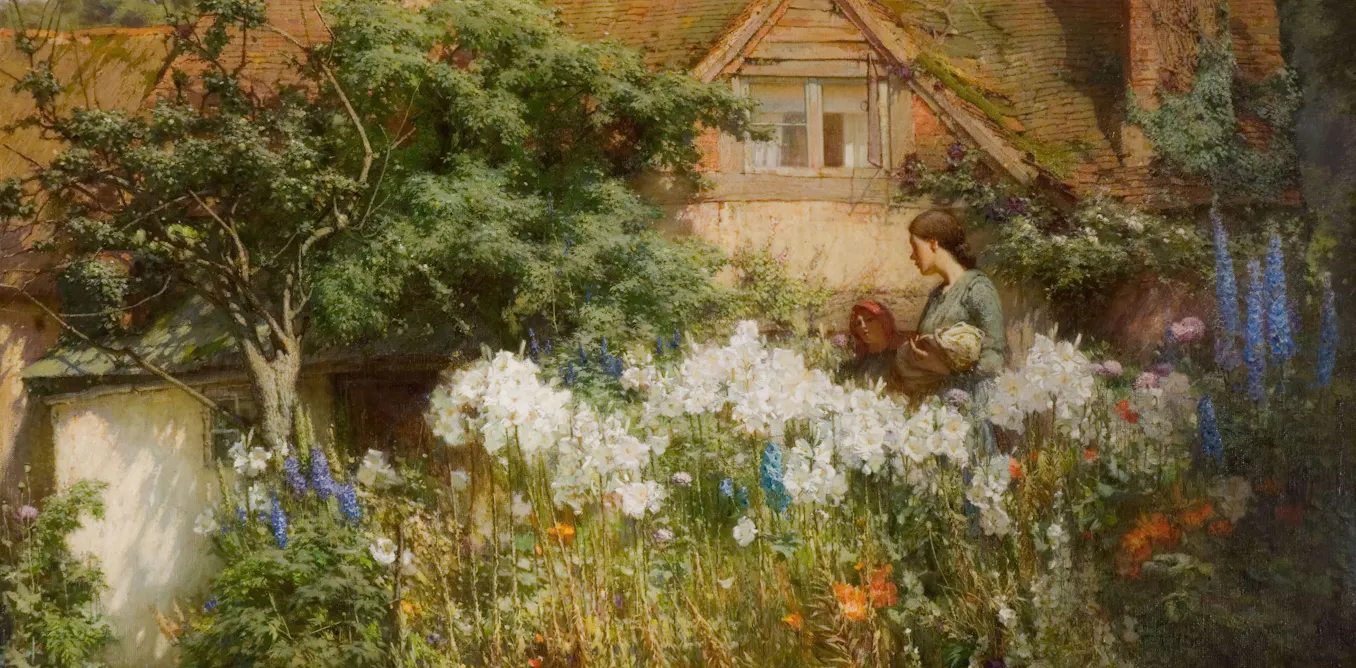
Geometry offers another tool without technology. The golden ratio, grid systems, and classical proportions guided historic landscape architects like Capability Brown and Gertrude Jekyll. These mathematical principles create visually appealing spaces without requiring software.
Sketching by hand forces designers to think deliberately about each element. Drawing teaches spatial relationships and forces choices about plant placement and hardscape design.
Pattern observation from nature itself provides endless inspiration. Historic gardeners studied native plants, seasonal changes, and how gardens functioned as ecosystems rather than static installations.
The Chelsea controversy reflects growing concerns about AI's role in creative work. Yet the response reveals that older methods remain viable and offer deeper engagement with design problems. These techniques require patience and observation rather than computation. For gardeners seeking authentic, site-specific design