# DEI Training Programs Offer Nine Strategies for Building Inclusive Workplaces
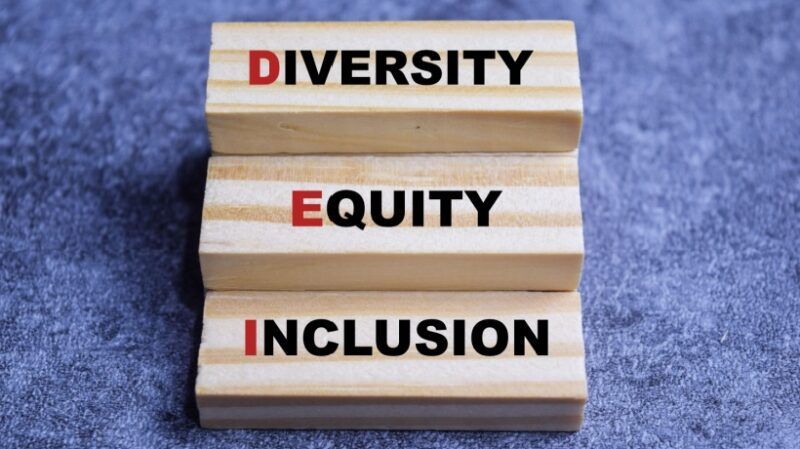
Diversity, Equity, and Inclusion trainings shape how organizations build supportive work environments. Nine specific training approaches help institutions move beyond surface-level awareness into sustained behavioral change.
Effective DEI programs target concrete skills rather than abstract concepts. Organizations benefit from trainings that address unconscious bias, inclusive communication, and equitable hiring practices. These programs work best when they connect to actual workplace scenarios employees face daily. Mock interviews, role-playing exercises, and case studies based on real organizational challenges help participants apply what they learn.
Leadership accountability drives program success. When senior executives participate in DEI trainings alongside all staff, the message clarifies that inclusion starts at the top. Peer-led discussion groups reinforce learning across departments. Microlearning modules delivered over weeks prove more effective than single-session workshops that fade quickly from memory.
Measuring outcomes matters. Organizations track changes in hiring diversity, promotion rates, and employee retention across demographic groups. Anonymous surveys capture whether employees feel valued and included after training completion. Some institutions tie DEI competencies to performance reviews and advancement decisions, making inclusion a career consideration rather than a box to check.
Context shapes effectiveness. Healthcare systems require different DEI focuses than tech companies or schools. Customized trainings address industry-specific challenges. In education, trainings help teachers recognize bias in classroom management, grading, and curriculum selection. School leaders learn to create policies that reduce discipline gaps and support underrepresented student populations.
Long-term commitment distinguishes successful DEI programs from performative efforts. Single trainings rarely change workplace culture. Sustained initiatives include ongoing professional development, employee resource groups, inclusive hiring committees, and regular policy audits. Organizations that measure results and adjust strategies based on data see the greatest improvements in retention and employee satisfaction.
eLearning Industry published this resource for training