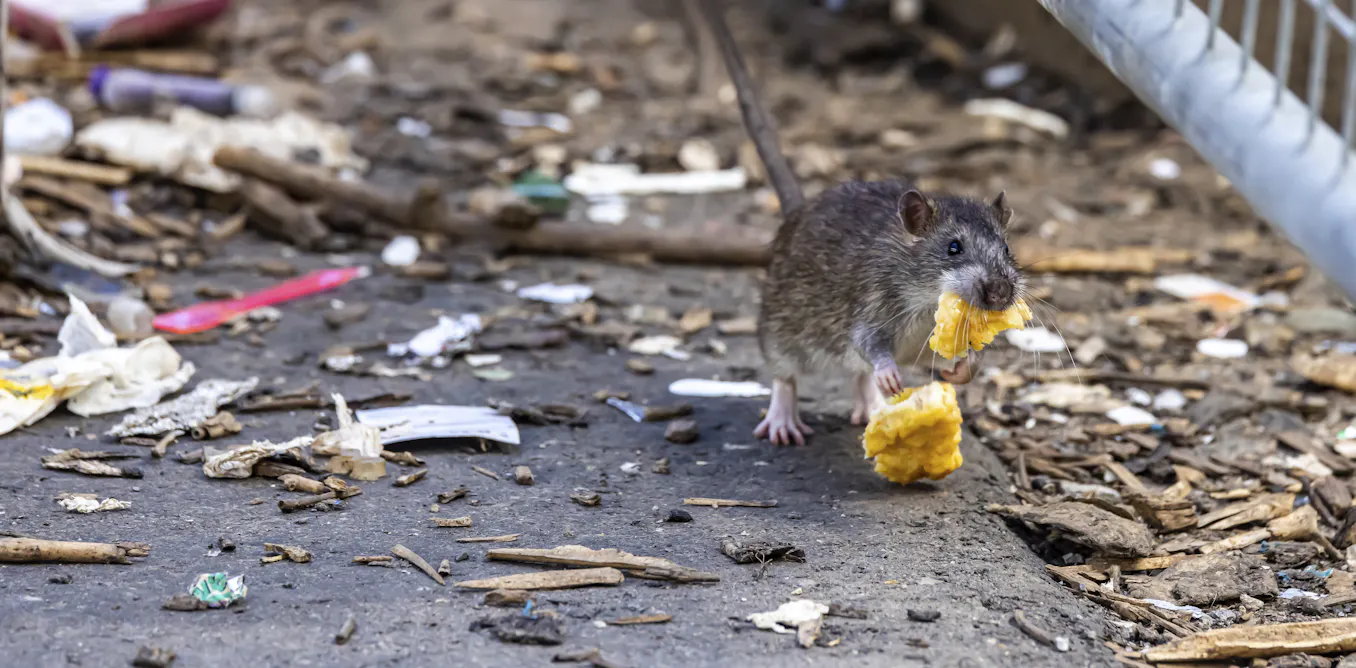
Scientists worry that Africa faces growing exposure to deadly hantavirus outbreaks due to three converging factors: inadequate disease surveillance systems, climate change expanding rodent habitats, and limited laboratory capacity to detect cases.
Hantavirus causes hemorrhagic fever with kidney syndrome and hantavirus pulmonary syndrome, both potentially fatal. The virus spreads to humans through contact with infected rodent droppings, urine, or saliva. While Africa has documented hantavirus cases, many infections likely go undetected because hospitals and clinics lack testing equipment and training to identify the virus.
Climate change intensifies the risk by altering rainfall and temperature patterns across Africa. These shifts expand habitats suitable for rodent populations that carry hantavirus. Warmer, wetter conditions in some regions and drought-driven migration in others create ideal breeding grounds for rats and mice. When rodent populations boom near human settlements, transmission risk increases.
Africa's surveillance infrastructure remains fragmented. Most countries lack centralized systems to track emerging infectious diseases. Rural areas particularly struggle with detection capacity. Patients presenting with fever and respiratory symptoms may be misdiagnosed as malaria or other common diseases, delaying identification of hantavirus clusters. Without rapid detection, transmission chains continue unbroken.
Laboratory networks in sub-Saharan Africa operate with limited resources and equipment. Confirmatory testing for hantavirus requires specialized molecular diagnostics unavailable in many countries. This gap means confirmed cases represent only the visible fraction of actual infections.
Regional cooperation offers a path forward. Scientists call for strengthening cross-border disease surveillance networks, improving laboratory capacity through training and equipment investment, and integrating climate data into disease forecasting models. Early warning systems that monitor rodent populations and environmental conditions could trigger preventive measures before outbreaks occur.
The World Health Organization and African Union have emphasized the need for integrated disease surveillance, but funding remains insufficient