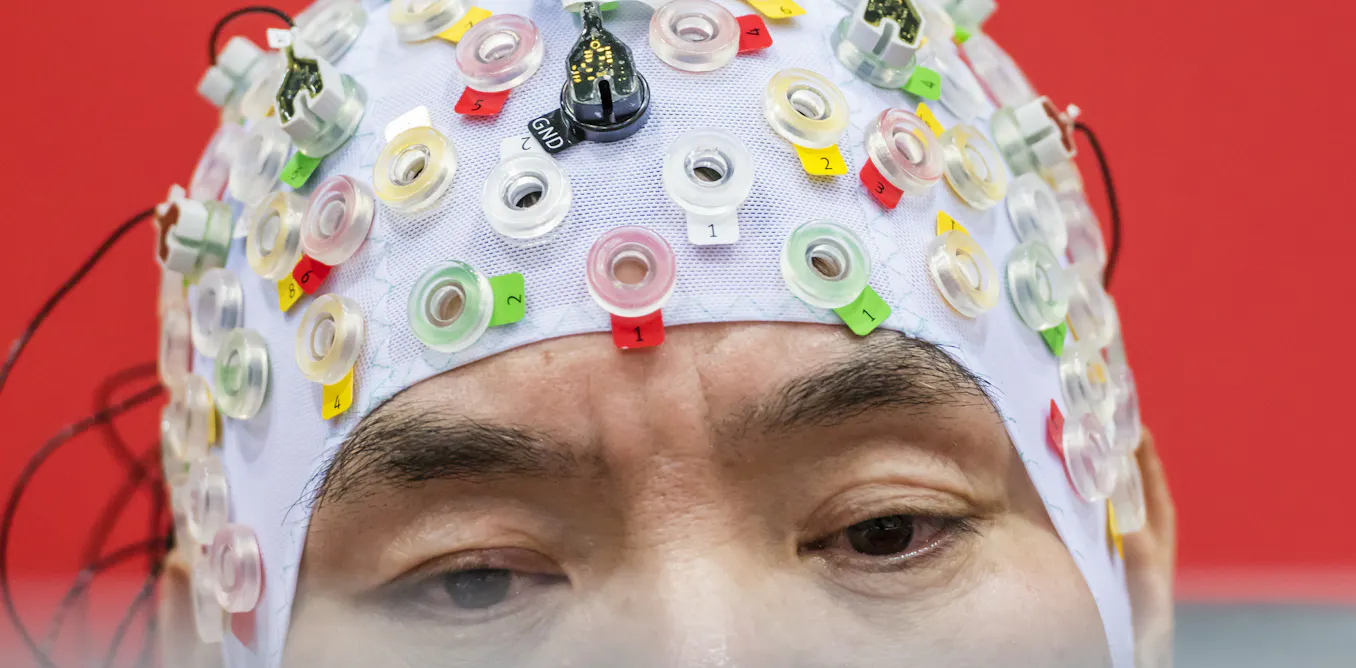
Brain-computer interfaces (BCIs) have reached a milestone. Paralyzed patients now use implanted electrodes to convert thoughts directly into text and speech, restoring communication abilities that spinal cord injuries and neurological conditions had taken away. Neuralink and other companies have demonstrated working prototypes in human trials, marking genuine progress for people with severe mobility limitations.
The technology works by recording neural signals from the motor cortex, then translating those signals into commands that appear on screens or control robotic limbs. For patients who cannot move or speak, this represents a life-changing intervention.
Yet security vulnerabilities accompany this breakthrough. Brain implants connect wirelessly to external devices and cloud servers. Hackers could theoretically intercept these signals, alter commands, or inject false data into the system. A compromised BCI could cause a user to type words they never intended or execute unintended movements through a robotic limb.
The attack surface expands with each integration point. Bluetooth connections between the implant and a user's phone or computer introduce vulnerabilities. Cloud storage of neural data creates targets for breaches. Firmware updates to the implant itself could be compromised. Unlike hacking a social media account, compromising a BCI directly affects a person's physical autonomy and safety.
Regulators and device manufacturers have begun addressing these risks. The FDA requires security testing before approval. Companies are implementing encryption for wireless signals and developing authentication protocols to verify commands originate from the intended user. Some researchers propose biometric verification based on unique neural patterns, similar to fingerprint scanning but using brain activity.
Despite these protections, the field remains in early stages. Standards for BCI security do not yet exist across manufacturers. As more people receive implants and the technology becomes more complex, security testing must keep pace with capability advances.
The benefits for paralyzed patients remain real and urgent. Establishing