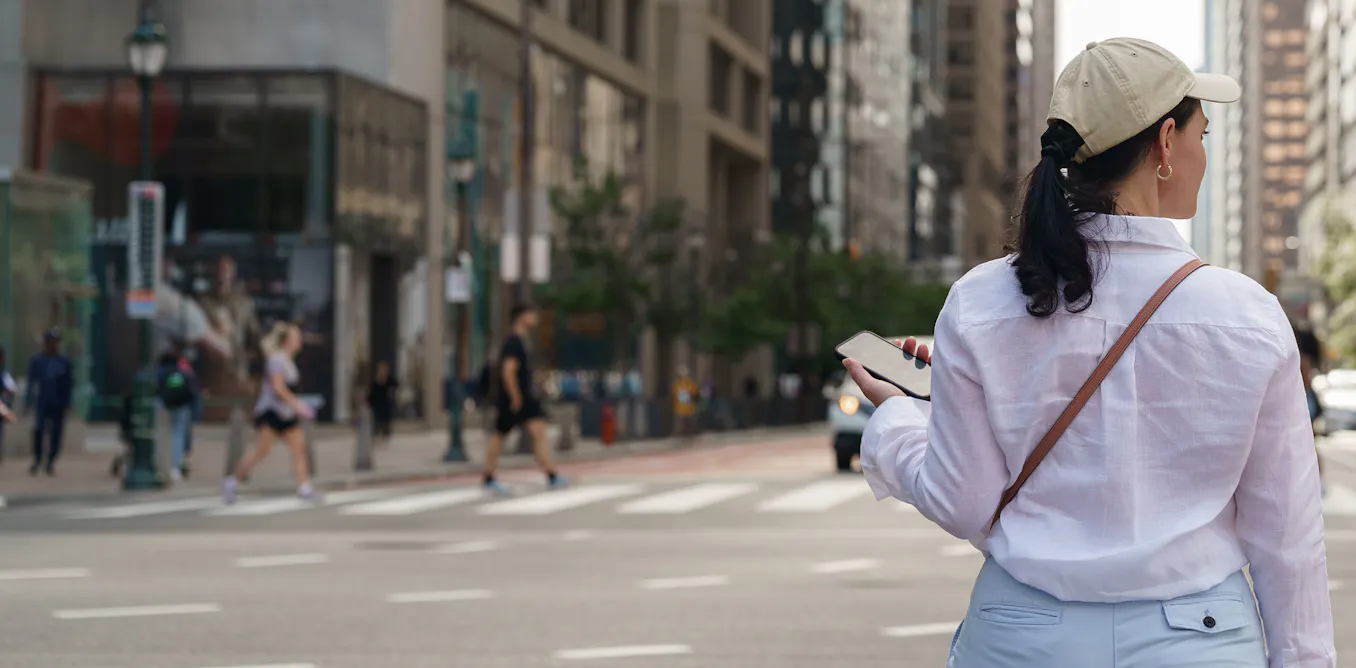
Philadelphia Mayor Cherelle Parker's proposed $1 fee on rideshare trips like Uber and Lyft raises a central equity question: who pays the price for funding public schools?
Parker's plan would add the charge to all rideshare trips in the city, with revenue directed to the school district. The proposal hinges on whether this tax is regressive (hitting lower-income residents harder) or progressive (affecting wealthier users more).
Two Chicago studies offer empirical evidence. Chicago implemented a similar rideshare tax in 2020, generating roughly $33 million annually by 2022. Research on who bears the cost reveals patterns relevant to Philadelphia's debate.
Lower-income residents use rideshare services less frequently than higher-income users, according to transportation data. However, when working-class Philadelphians do use rideshare, they often depend on it out of necessity, not convenience. A $1 fee compounds quickly for essential trips to work, medical appointments, or childcare. Wealthier residents absorb the fee more easily as a small transaction cost on discretionary trips.
Chicago data shows that younger, college-educated, and higher-earning riders concentrated in downtown and affluent neighborhoods dominate rideshare usage. The fee therefore falls disproportionately on that demographic, making it functionally progressive.
Yet critics raise a counterpoint. Lower-income residents may shift to less safe alternatives like hitchhiking or reduce trips entirely, potentially limiting their access to employment and services. The fee's true impact depends on baseline usage patterns in Philadelphia versus Chicago.
Parker's plan explicitly targets transit funding, a public good that benefits all residents regardless of rideshare use. The school district received $1.9 billion in the current budget cycle but faces ongoing pressure to improve services and facilities.
Educators and parents in Philadelphia have expressed interest in dedicated revenue sources. However,