# Water Tank Deliveries in South Africa Sideline Infrastructure Repairs, Enable Corruption
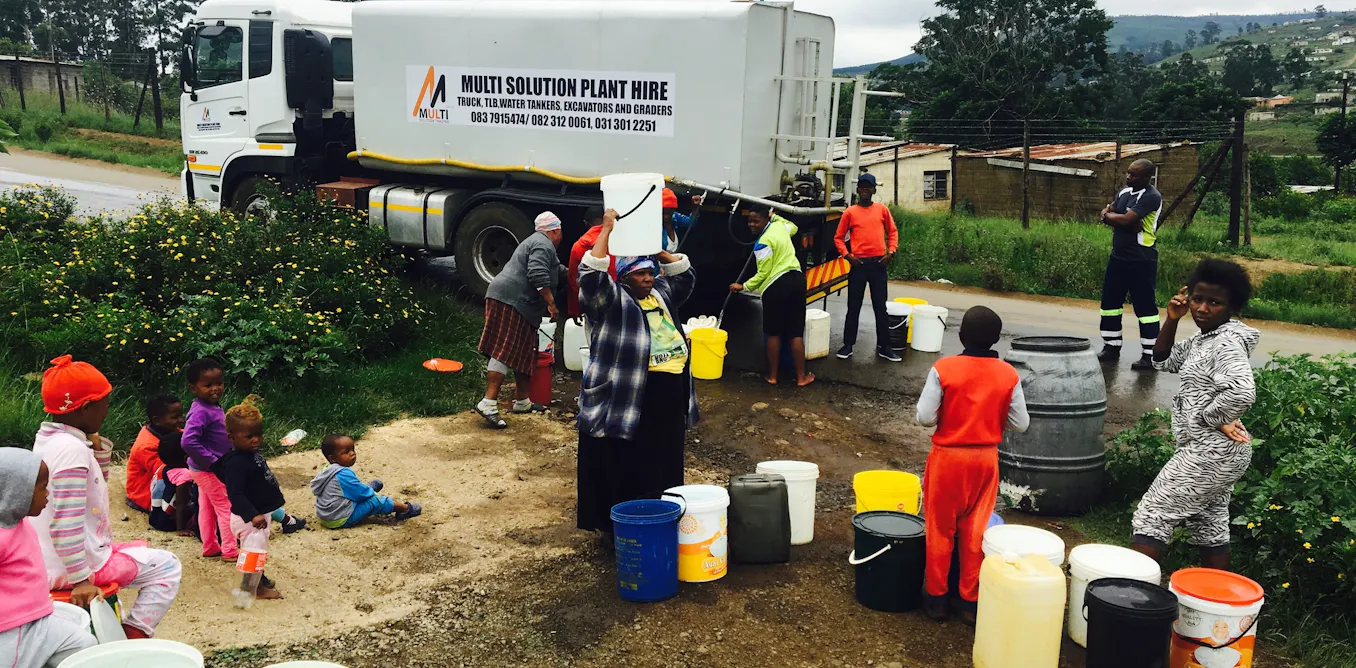
South African municipalities have increasingly relied on water tanker deliveries to address shortages, but this approach has become a barrier to fixing broken pipes and has created openings for corrupt practices, according to research findings.
The tanker system was designed as a temporary emergency response. Instead, it has evolved into a permanent fixture for many communities facing chronic water shortages. This dependency diverts resources and political attention away from the underlying infrastructure problems that cause service failures in the first place.
When tankers provide immediate relief, local officials face less pressure to repair aging pipe networks or upgrade treatment facilities. The short-term fix allows municipalities to avoid the harder work of identifying leaks, replacing corroded infrastructure, and addressing systemic failures. Communities receive water, leaders appear responsive, and the cycle continues without resolution.
The research reveals a second problem: tanker contracts have become vehicles for corruption. Awarding these contracts involves public spending with limited oversight. Officials can direct lucrative tanker delivery deals to connected companies or politically favored suppliers. The cash-based nature of emergency water delivery creates opportunities for fraud that rigorous infrastructure procurement processes would face more scrutiny.
For students and educators, this case demonstrates how short-term solutions to infrastructure challenges can entrench problems rather than solve them. For parents, it shows how political incentives can prioritize visible quick fixes over lasting access to essential services.
South Africa's water crisis affects millions of people. Some communities receive water only on certain days or not at all. While tankers help people survive in the immediate term, they perpetuate dependency and weaken accountability for actual service delivery.
The research underscores a governance problem common across developing nations: the gap between emergency response and structural reform. Policymakers must balance immediate needs with long-term investments in systems that work reliably.