# Summary
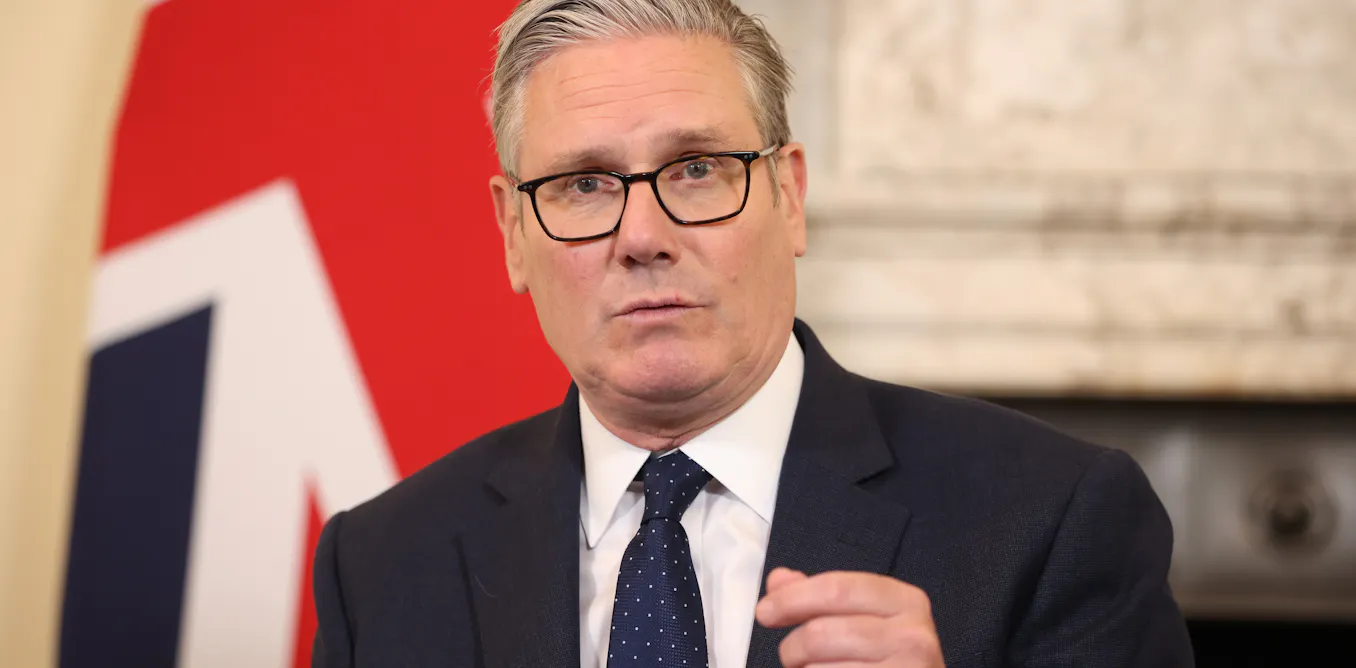
UK Prime Minister Keir Starmer faces mounting public frustration, but his struggles reflect a broader pattern affecting leaders worldwide. Voters increasingly demand solutions to complex, competing problems—economic growth alongside environmental protection, fiscal responsibility paired with robust social services, border security balanced against immigrant integration.
The gap between voter expectations and what any government can realistically deliver has widened. Citizens expect their leaders to act decisively on multiple fronts simultaneously, yet governing requires tradeoffs. Starmer's recent difficulties stem partly from decisions that disappointed key constituencies. His government's handling of winter fuel allowance cuts and other policies triggered backlash from supporters who felt abandoned.
This dynamic extends beyond Britain. Voters in democracies globally display similar patterns. They express dissatisfaction with leaders who make unpopular choices, yet simultaneously demand action on interconnected challenges that admit no perfect solutions. A leader who prioritizes pensioners loses young voters; one who invests heavily in green energy faces criticism from workers in fossil fuel industries; one who tightens immigration policy faces accusations of being unwelcoming.
The article argues that some of Starmer's troubles are self-inflicted through messaging failures and tactical errors. Yet the underlying issue transcends personality or political skill. Modern governance occurs within constraints that no leader controls completely. Supply chains, inflation, demographic shifts, and climate physics don't bend to electoral promises.
Voters in democracies increasingly punish leaders for failing to deliver impossibilities, then express surprise when successors face identical structural barriers. The pattern suggests that either voter expectations must recalibrate toward realistic outcomes, or political systems must adapt to manage competing demands more transparently. Until one of those shifts occurs, leaders everywhere will continue facing the same backlash Starmer currently endures.