# Surveillance in Special Education: States Push Cameras While Advocates Raise Safety Concerns
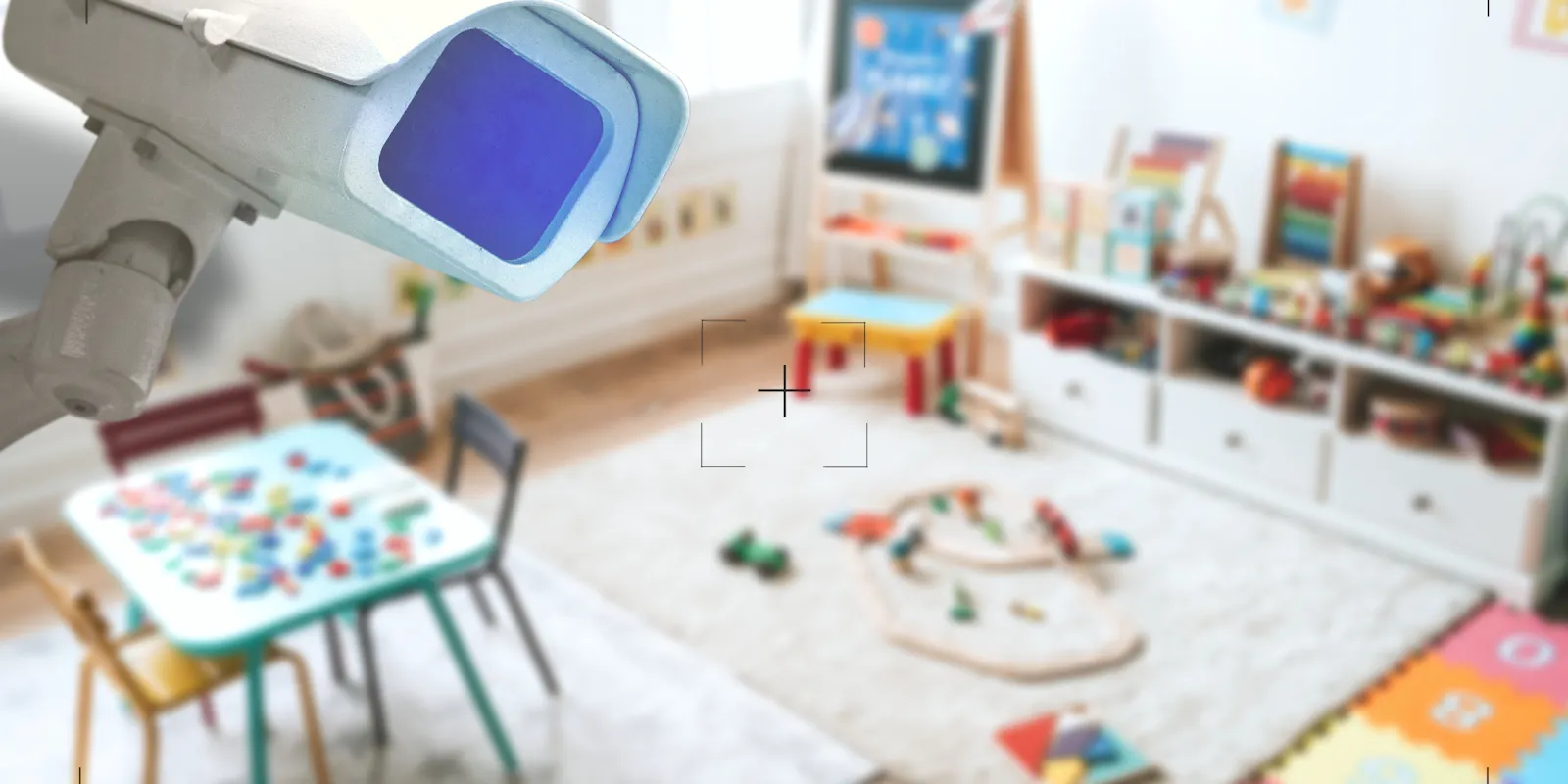
States are increasingly installing surveillance cameras in special education classrooms, citing safety and accountability as justifications. The move has sparked pushback from disability rights advocates and parents who worry about privacy, dignity, and unintended consequences for vulnerable students.
Proponents argue cameras protect students with disabilities from abuse and provide evidence in disputes between families and schools. They point to documented cases where video footage helped identify neglect or misconduct by staff. Schools also cite accountability benefits, saying cameras create records of daily interactions and classroom management practices.
But advocates raise serious objections. The American Civil Liberties Union and disability rights organizations contend that constant video monitoring violates student privacy and can harm the therapeutic relationship between students and teachers. Surveillance, they argue, may chill candid conversations and create an environment of distrust that runs counter to effective special education practice.
Privacy concerns run deeper for students with disabilities. Many use bathrooms, changing areas, and therapy spaces within classrooms. Installing cameras in these spaces raises legal and ethical questions. Additionally, recordings containing sensitive information about students' disabilities, behaviors, and medical needs require robust security protocols that schools may lack.
Some families fear footage could be misused or that recordings of their children's vulnerable moments might circulate beyond school staff. Others worry that constant monitoring sends a message to students that they are not trusted or that their classroom is inherently dangerous.
States implementing camera programs vary widely in their policies. Some prohibit recording in bathrooms and therapy areas. Others lack clear guidelines on who accesses footage, how long recordings are kept, or whether parents receive copies. The absence of national standards leaves implementation inconsistent.
Special education advocates call for transparency and community input before schools install cameras. They recommend exploring alternatives like increased staffing, training on de-escalation techniques, and improved reporting systems that address safety concerns without rel