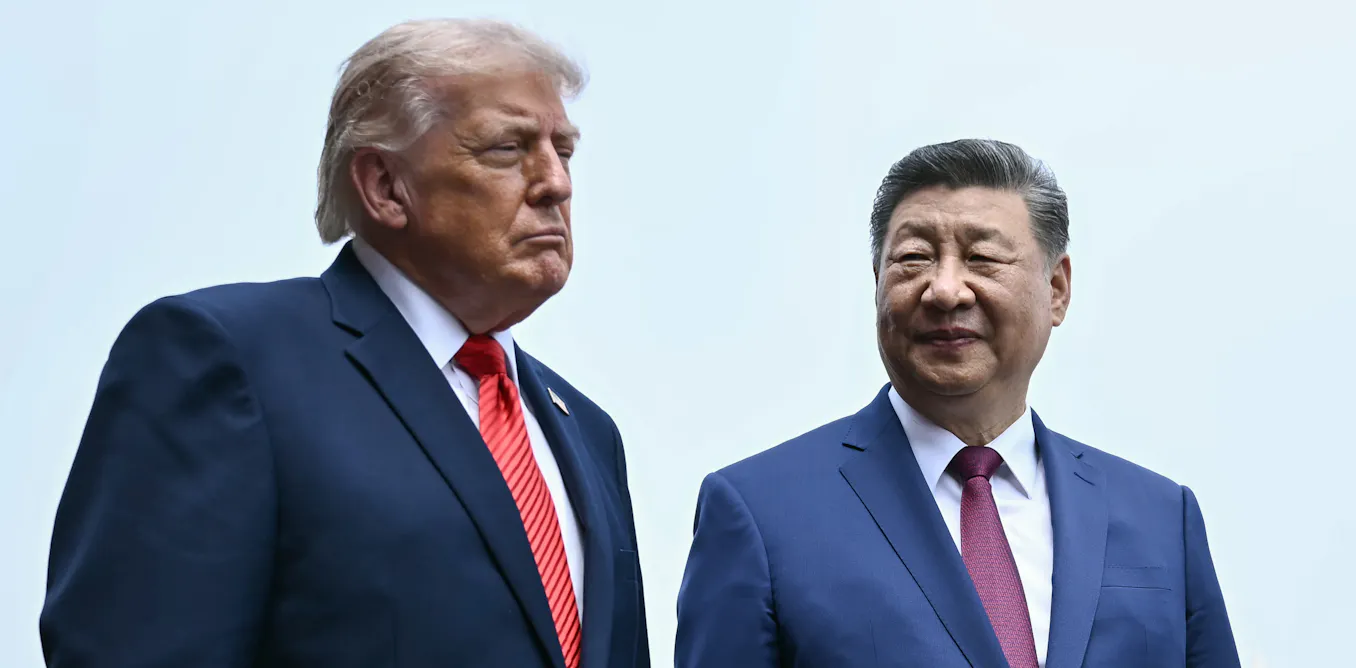
# Trump-Xi Summit Shows Limited Breakthroughs on Trade and Military Relations
The Trump administration and Chinese leadership achieved modest progress during their summit, with both nations signaling willingness to maintain current positions on disputed territories while exploring military communication channels.
The most concrete development involves defense cooperation. The presence of U.S. Defense Secretary Lloyd Austin at discussions reflects Washington's push to establish a military "hotline" between the two powers. Direct communication channels between U.S. and Chinese military officials could reduce the risk of unintended escalation during future disagreements.
On the contested islands issue, primarily the South China Sea disputes, both countries appear content preserving the status quo rather than pursuing aggressive territorial claims. This approach avoids immediate confrontation while leaving fundamental disputes unresolved.
Trade tensions dominated earlier agendas between the nations. The summit indicated both sides seek to identify "win-win" agreements, though specific trade concessions or tariff discussions remained limited in scope. Neither party announced major tariff rollbacks or comprehensive trade deals.
The cautious tone reflects ongoing structural tensions between the world's two largest economies. China's technological advancement, supply chain dominance, and military modernization continue triggering U.S. concerns. Simultaneously, Beijing resists American pressure on intellectual property protections and forced technology transfers.
For educators and students, these trade dynamics matter. U.S. universities depend on Chinese graduate student enrollment and research partnerships. Chinese students seeking American education face visa restrictions. Businesses hiring recent graduates navigate tariffs and supply chain uncertainties that shape job markets.
The summit's modest results suggest both nations prefer managed competition over escalation. Military communication improvements reduce nuclear-era style miscalculation risks. However, fundamental disagreements on technology, trade practices, and regional influence remain unaddressed. Future negotiations will determine whether this cautious stance evolves into deeper cooperation or reverts to escalating tensions.