# Mediterranean Sea Faces Growing Hurricane Risk From Climate Change
The Mediterranean Sea can generate tropical-like hurricanes, and climate change will intensify both their frequency and severity, according to research covered by The Conversation.
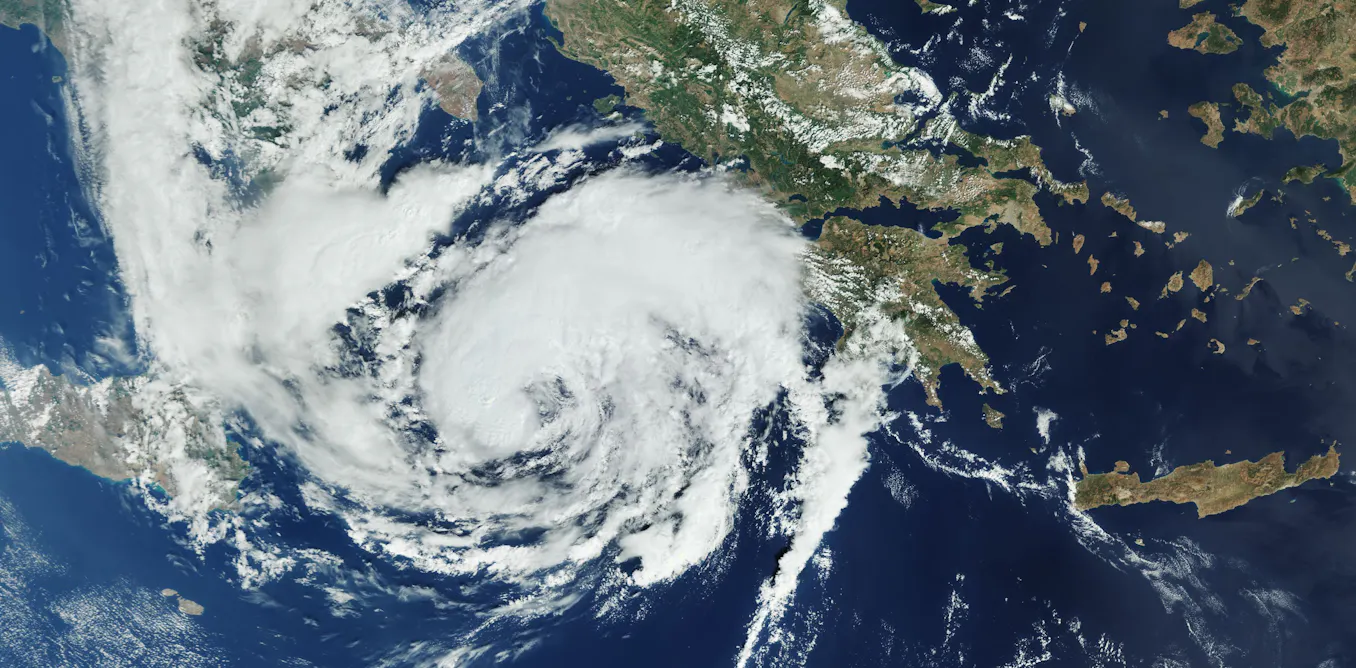
These rare storms, known as medicanes, form over the Mediterranean and share characteristics with Atlantic hurricanes. Warm water and atmospheric conditions trigger their development. Scientists warn that rising ocean temperatures from climate change will create more favorable conditions for medicane formation.
The Mediterranean has historically experienced only a handful of medicanes per decade. However, climate models project an increase in these events as sea surface temperatures rise. Warmer water provides the energy source these storms need to develop and strengthen.
Medicanes pose distinct challenges for Mediterranean nations. Unlike Atlantic hurricanes, which meteorologists track extensively, medicanes receive less public awareness in European countries. Infrastructure and emergency response systems around the Mediterranean have not been designed with frequent tropical-like storms in mind. Coastal communities from Spain to Greece to Turkey face potential exposure to storm surge, intense rainfall, and destructive winds.
The research highlights a specific climate change impact often overlooked in European climate discussions. While Mediterranean countries prepare for increased heat waves and droughts, they must also prepare for more intense cyclonic storms. This dual threat complicates long-term climate adaptation planning.
Scientists emphasize that medicanes remain rare events compared to Atlantic hurricanes. Yet their rarity has made Mediterranean nations less prepared. As climate change accelerates warming in enclosed sea basins, the probability of these storms increases, creating a new urgency for coastal preparedness and emergency management systems adapted to tropical-like weather events in European waters.