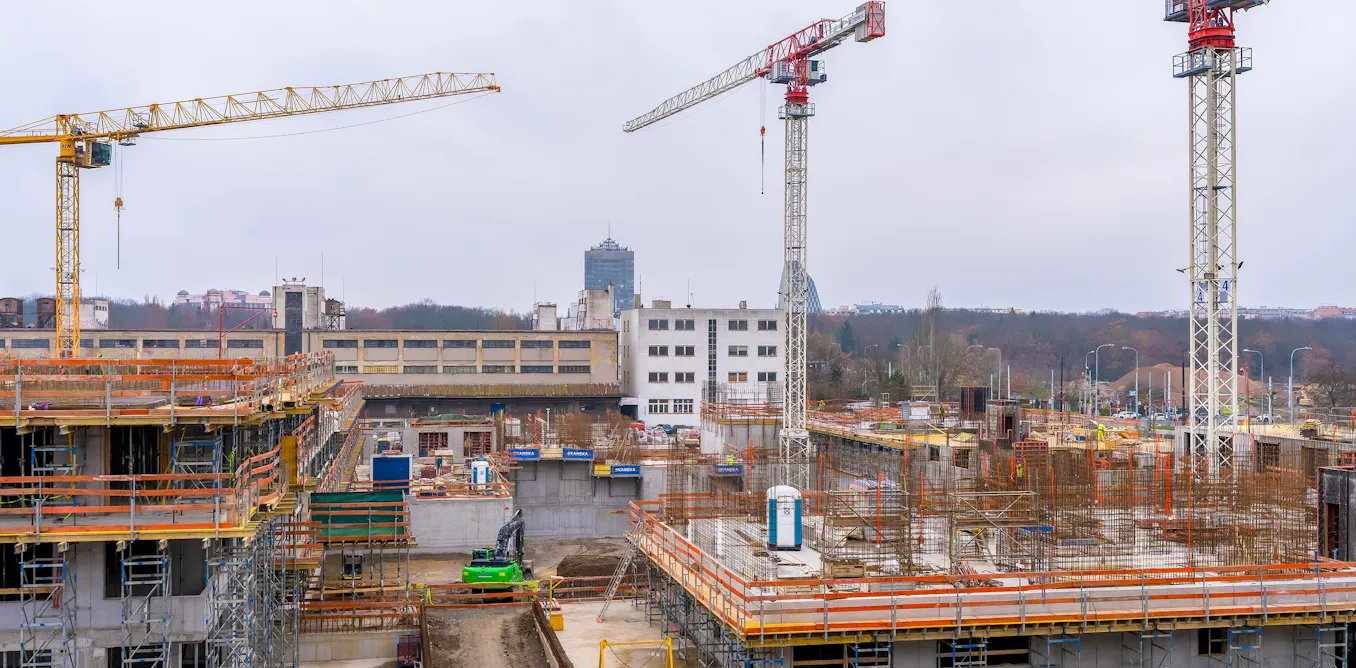
European buildings waste far more energy than their official certificates predict. New construction regularly underperforms energy benchmarks by 10 to 20 percent, according to research cited in the article.
The problem stems from a fundamental data gap. Most European building performance standards rely on approximations and averages rather than actual measured consumption. Energy performance certificates, which guide construction standards and renovation decisions across the EU, rest on theoretical models that don't match real-world performance.
This gap creates cascading consequences. Policymakers design climate targets based on flawed baseline data. Builders construct to minimum standards that still result in poorly performing structures. Homeowners and businesses pay higher utility bills than anticipated. Governments struggle to meet their binding EU emissions targets because buildings consume more energy than calculations suggest.
The discrepancy appears especially pronounced in new construction. Buildings certified as meeting modern efficiency standards operate significantly below those ratings once occupied and lived in by real people. Occupancy patterns, maintenance quality, user behavior, and installation errors all contribute to performance gaps that design models never account for.
Several European nations have started collecting actual energy consumption data from buildings, but the effort remains fragmented. Some countries mandate smart meters and performance tracking. Others continue relying on certification systems that predict rather than measure. No unified EU-wide system exists to capture real building performance at scale.
The blind spot matters for education policy too. Schools and universities occupy millions of square meters across Europe. Many were built or renovated under these same flawed standards. Educational institutions often spend substantially more on heating and cooling than budgets anticipate, diverting resources from instruction and student services.
Fixing this requires moving from predictive models to actual measurement. Mandatory smart metering, transparent reporting of measured consumption, and stronger enforcement of performance guarantees would create accountability. Until European buildings become the subject of real data rather than approximations, energy strategies will continue missing their targets while students,