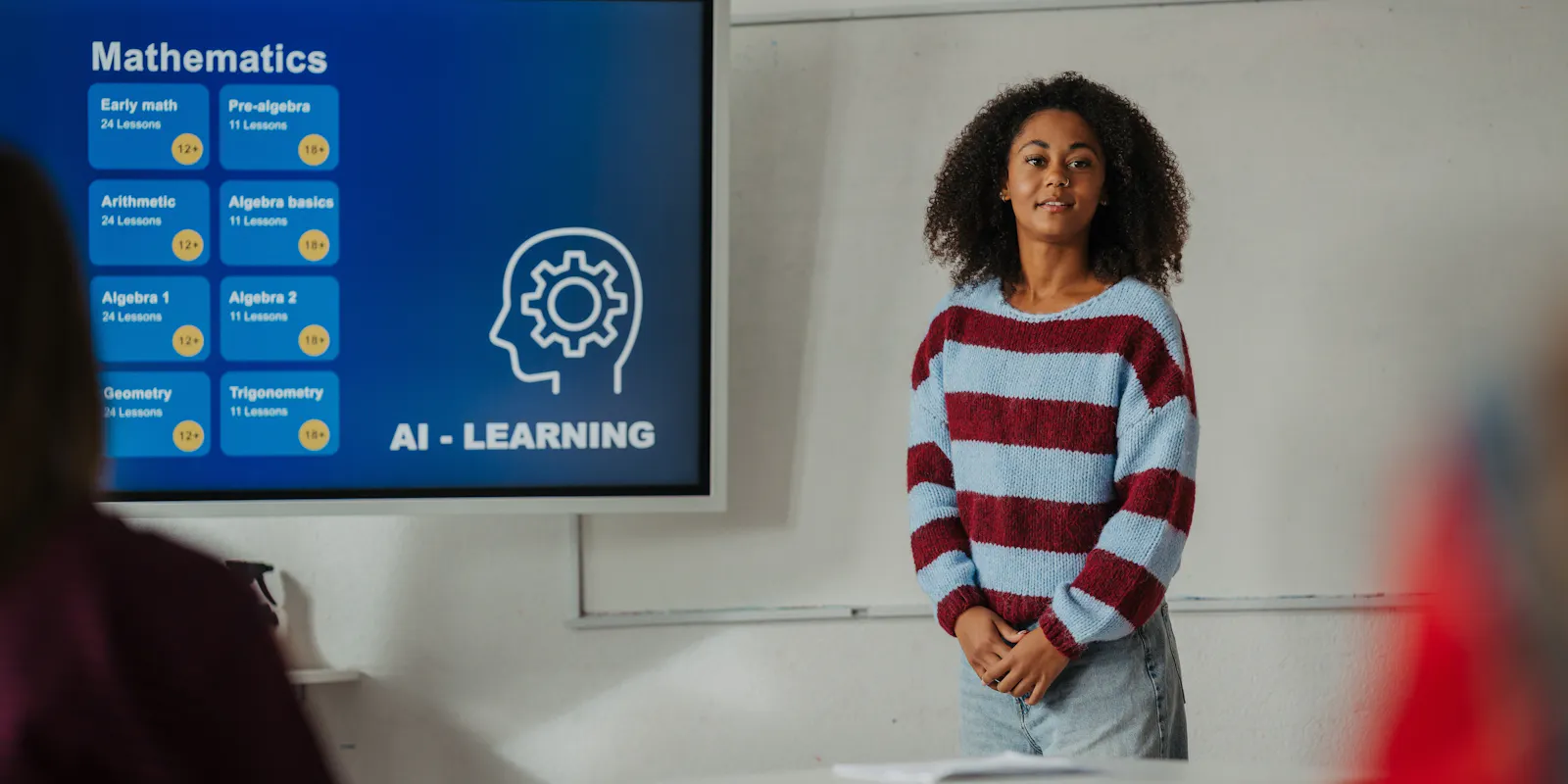
# The AI Use Case Question Teachers Are Still Asking
Teachers remain uncertain about practical applications of artificial intelligence in their classrooms, according to reporting from EdSurge's "Teaching Tech" series on learning and AI in the modern era.
A fourth-grade teacher's question captures a widespread concern among educators: what concrete problems does AI actually solve in teaching and learning? This uncertainty persists even as schools rush to adopt AI tools and districts invest in technology infrastructure.
The gap between AI hype and classroom reality has widened. While vendors promote AI as transformative, teachers report struggling to identify genuine use cases that improve student outcomes or reduce their workload in meaningful ways. Administrative applications like grading automation or attendance tracking offer some value, but pedagogical applications remain murky.
Many educators worry about implementation without clear evidence. They ask whether AI helps differentiate instruction for struggling readers, supports English language learners, or genuinely personalizes learning paths. These questions lack satisfactory answers in most product literature or training materials schools provide.
The practical constraints matter too. Teachers juggle limited planning time, diverse student needs, and existing curriculum demands. An AI tool requires integration into daily practice, not disruption of it. Generic tutorials don't address how AI fits into a specific teacher's second-grade math block or high school English classroom.
District leaders face parallel pressure. They purchase AI platforms to remain competitive and signal forward-thinking approaches, yet classroom adoption rates often disappoint. Teachers without clear use cases default to traditional methods, leaving expensive subscriptions underutilized.
The fundamental question persists: What does AI do better than existing strategies, and for which students? Without answering this first, adoption remains teacher-dependent rather than practice-changing. Schools investing in AI need clearer frameworks connecting tools to specific learning problems, robust professional development showing practical integration, and honest data on student impact. Until then, teachers will continue asking the same sensible question