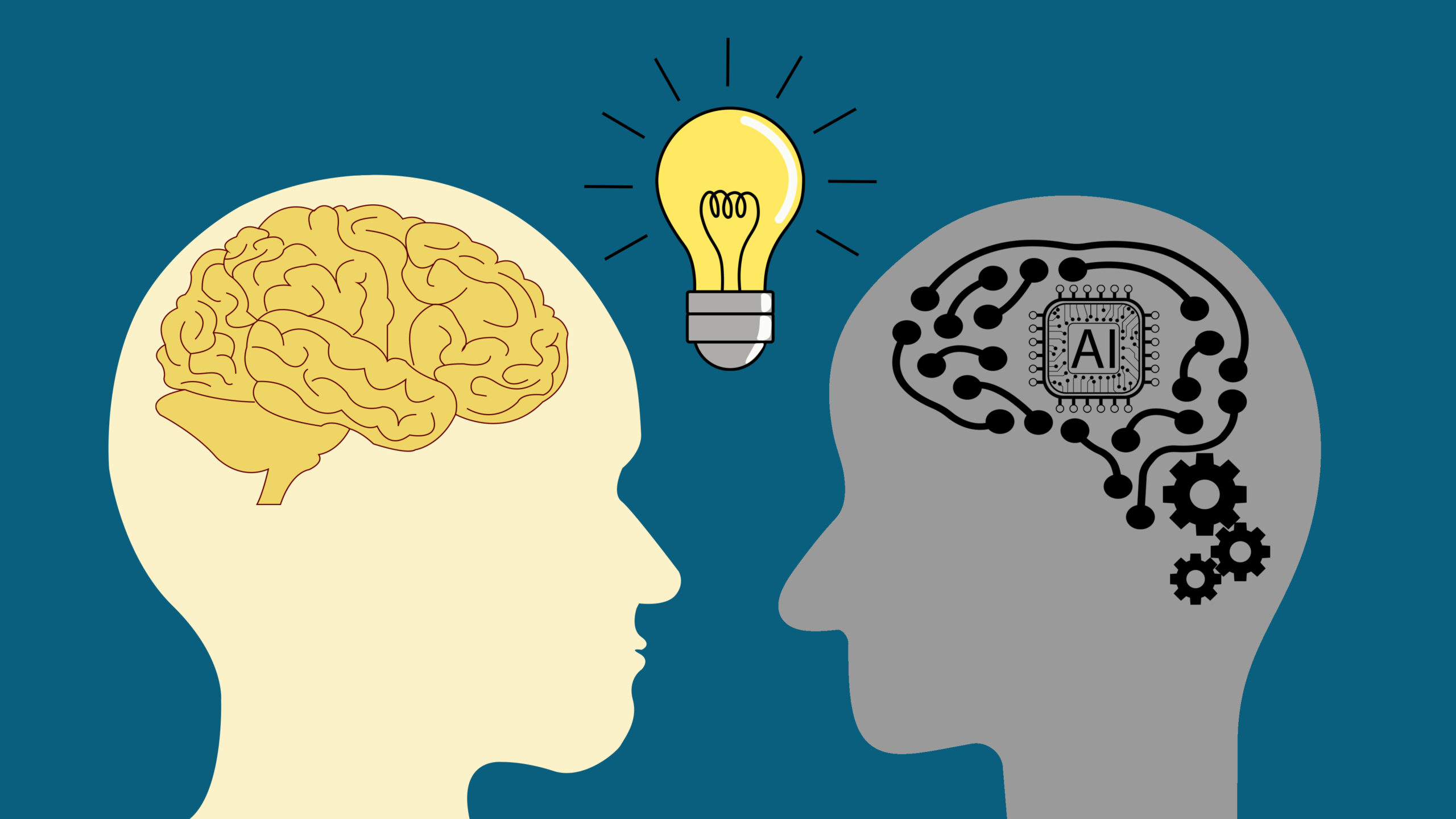
Philosophy instructors initially feared ChatGPT would undermine their discipline by enabling students to generate essays without genuine thought. A philosophy faculty member argues the opposite: AI can restore Socratic dialogue to classrooms where it has eroded.
The concern was straightforward. If algorithms produce competent essays in seconds, students lose incentive to engage in the slow, deliberate thinking that philosophy demands. Writing becomes mere output rather than intellectual work.
The instructor's two-year experience suggests a different path. Rather than viewing AI as a threat to philosophical rigor, faculty can deploy it as a teaching tool that recreates the Socratic method, the dialogue-based approach where a teacher poses questions to guide students toward deeper understanding. ChatGPT functions as an always-available intellectual sparring partner.
In practice, this works like this: students test their arguments against the AI, which responds with counterarguments, clarifications, or probing questions. A student claiming moral relativism encounters a sophisticated objection. They refine their position. The exchange continues until thinking sharpens. The AI becomes a philosophical interlocutor, not an essay factory.
This approach addresses a real classroom problem. Large lecture sections often prevent the back-and-forth dialogue that Socrates modeled. Students submit essays that disappear into grading queues. Faculty rarely engage in real-time intellectual sparring with every student. AI fills that gap by making continuous philosophical conversation scalable.
The model requires boundaries. Faculty must design assignments that leverage dialogue over mere output. A student cannot simply submit an AI-generated essay and claim learning. Instead, assignments ask students to document their exchanges with the AI, show how their thinking evolved, and defend positions they refined through interaction.
This transforms AI from a plagiarism risk into a pedagogical tool aligned with what philosophy does best: train minds to think rigorously through dialogue. The technology does not replace human