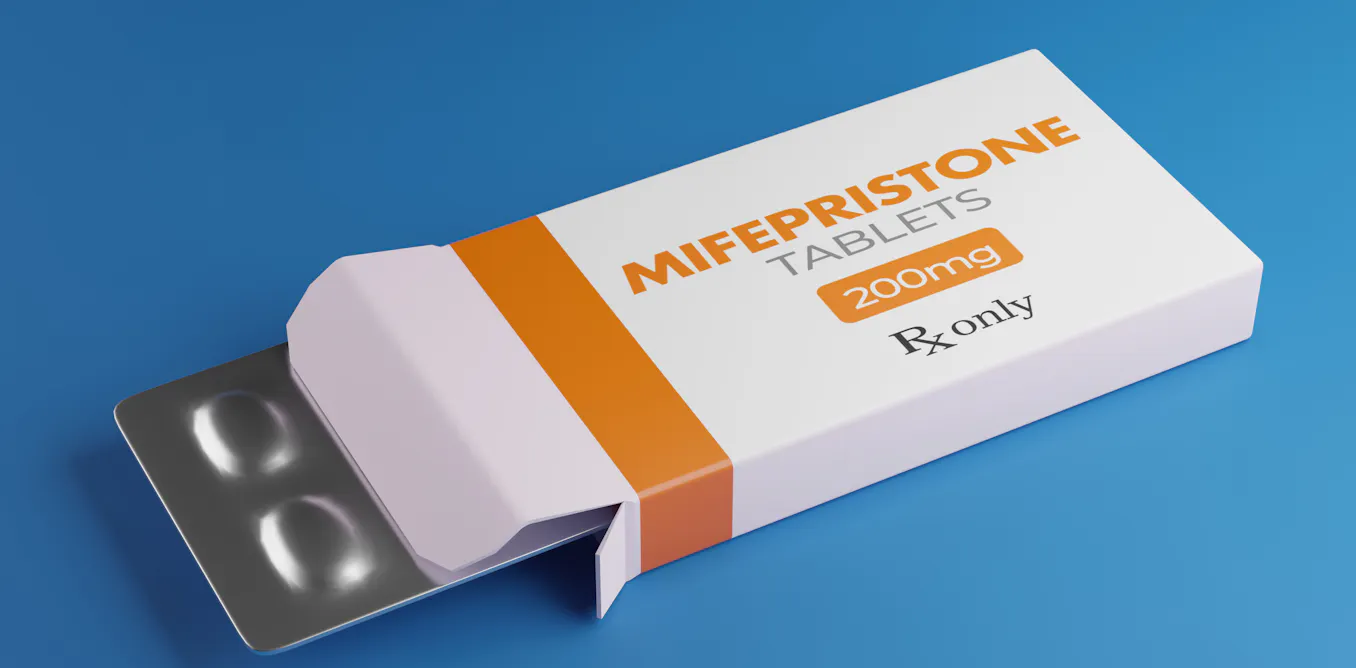
The U.S. Supreme Court has allowed mifepristone, the pill used in medication abortion, to remain accessible through telehealth and mail for now. The decision returned the case to the lower court that originally challenged the drug's approval, leaving the legal battle unresolved.
Mifepristone, approved by the FDA in 2000, became the focus of renewed litigation when anti-abortion groups sued to overturn its mail-delivery authorization. The Trump administration's FDA had expanded telehealth access to the drug in 2023, permitting patients to receive it by mail rather than only in person at clinics. That expansion drew immediate legal challenges.
The lower court signaled its intention to continue challenging the mail-delivery rules, meaning patients cannot assume this access remains permanent. The Supreme Court's decision essentially paused the conflict rather than resolving it, with the case returning to a federal district court that has already shown skepticism toward mifepristone's current regulatory status.
The drug remains one of the most effective and safest abortion methods available. According to medical data, medication abortion accounts for the majority of U.S. abortions, with mifepristone administered in roughly 60 percent of those cases. Telehealth access significantly expanded the geographic reach of abortion care, particularly for patients in states with clinic shortages or travel barriers.
The stakes remain high for reproductive healthcare. Restrictions on mifepristone's distribution would limit abortion access nationwide, even in states where abortion remains legal. Patients in rural areas and those without reliable transportation would face the steepest obstacles. Clinics already operating in states with strict abortion bans depend on mail delivery to serve patients across state lines.
The lower court's stated intention to continue its challenge means this remains an active legal threat. Without a definitive Supreme Court ruling on the substance of the case, access to mail-delivered