# Conflict Denies Girls and Women Access to Basic Menstrual Care
Armed conflict in Myanmar and Gaza has created acute shortages of sanitary products, forcing women and girls to miss school, work, and essential activities. The scarcity stems from disrupted supply chains, economic collapse, and deliberate restrictions that restrict access to these basic necessities.
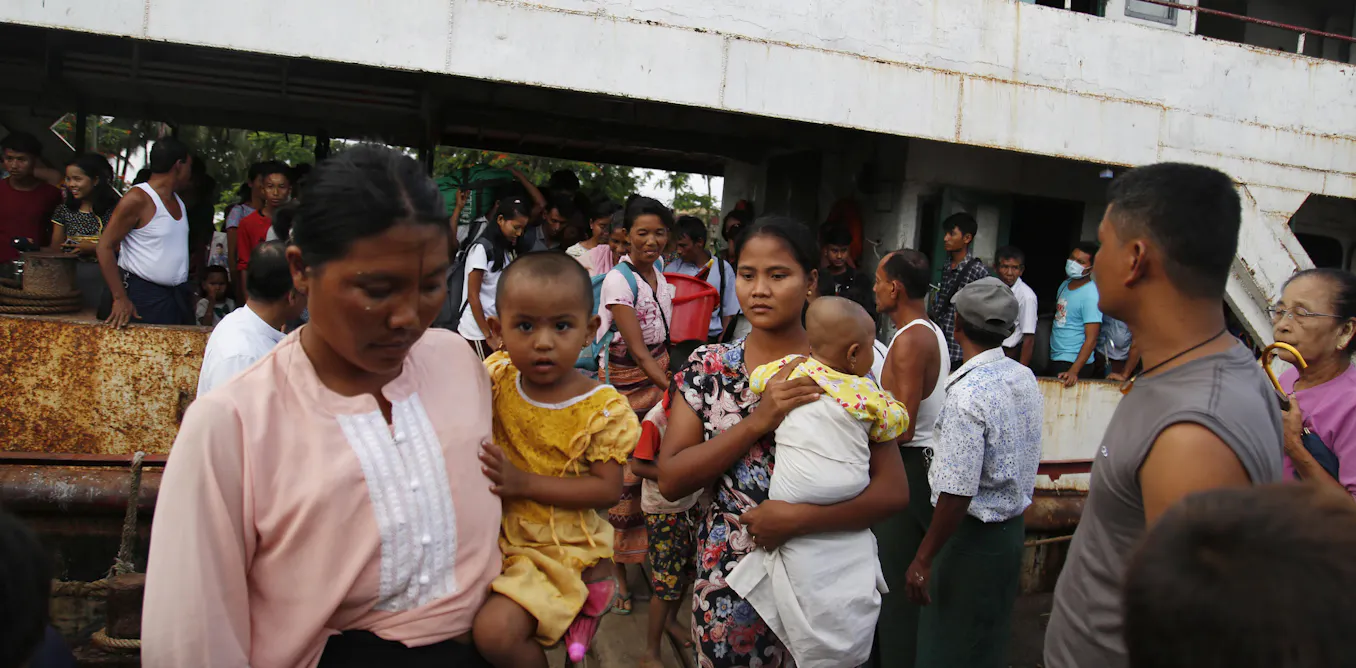
In Myanmar, the military junta's actions have fractured the supply system for feminine hygiene products. Women report using cloth scraps, leaves, and other unsafe alternatives. Schools have seen enrollment drops as girls avoid attending classes during menstruation without proper protection. Teachers note that absences compound educational gaps that may never close.
Gaza faces similar deprivation. The humanitarian crisis has made sanitary products virtually unavailable across the territory. Aid organizations report that women improvise with whatever materials they can find, creating health risks including infections and complications. The psychological toll runs deep. Girls describe shame and anxiety about their bodies, affecting their confidence and participation in daily life.
Health workers warn of broader consequences. Untreated infections can cause long-term reproductive damage. Nutritional deficiencies worsen the situation, as girls already malnourished face additional physical stress. Mental health impacts include depression and anxiety triggered by the loss of dignity and privacy.
Experts call this a form of gendered violence. When conflict systems eliminate access to menstrual care, it disproportionately harms women and girls compared to men and boys. The denial of sanitary products strips away autonomy and enforces isolation during a normal biological process.
International organizations including UNICEF and Doctors Without Borders have begun distributing menstrual supplies in crisis zones. But supply remains far below actual need. Advocacy groups argue that menstrual equity must become part of humanitarian response standards, alongside food, water, and medicine.
The impact extends beyond physical health. Researchers document