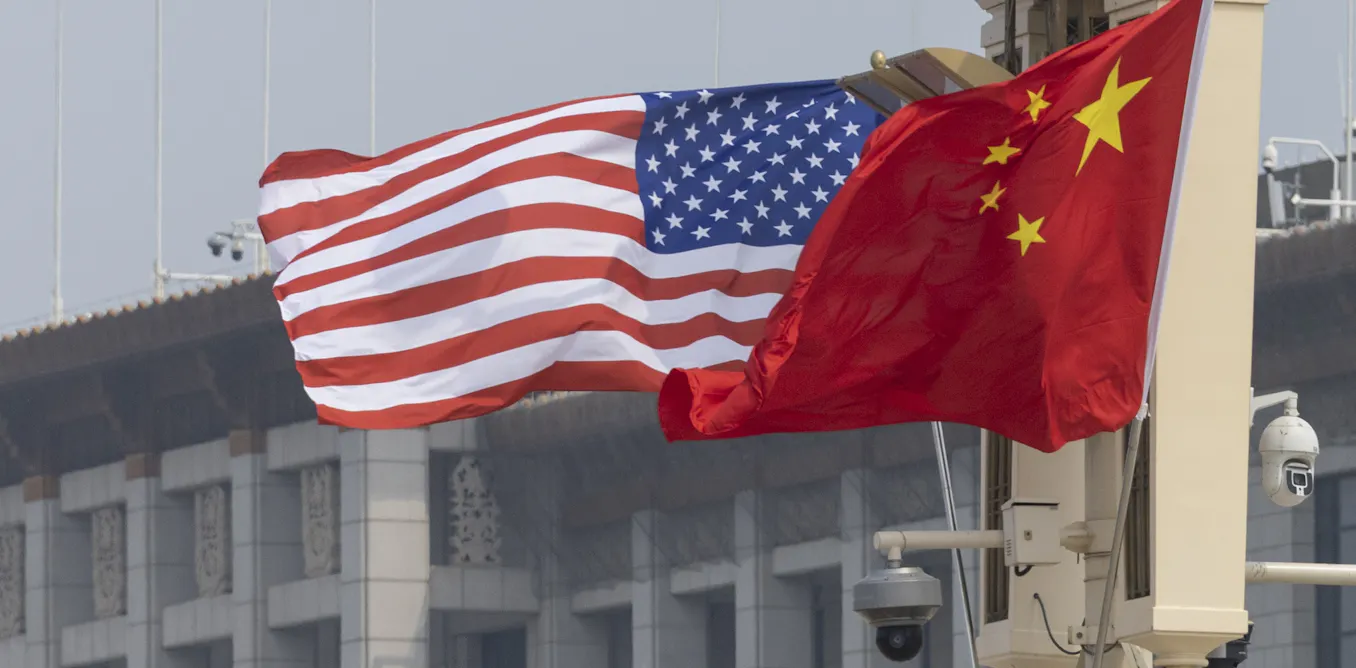
# Trump-Xi Summit Produces Limited Results But Avoids Escalation
The summit between Donald Trump and Chinese President Xi Jinping in Beijing yielded few concrete agreements but succeeded in preventing direct conflict between the world's two largest economies. Both leaders committed to continued dialogue on contentious issues including trade, technology, and military tensions.
Trump arrived in Beijing with expectations for major breakthroughs on trade barriers and intellectual property disputes. The talks produced no immediate policy shifts or binding commitments. Neither side announced tariff reductions, technology transfer agreements, or new trade frameworks. The absence of tangible results disappointed observers hoping for swift resolution to the trade friction that has disrupted supply chains and raised costs for American consumers and businesses.
However, the summit's value lay in avoiding escalation. The two leaders maintained civil discourse despite sharp disagreements over tariffs, semiconductor technology, and military activity in the Taiwan Strait and South China Sea. This diplomatic restraint matters for global stability and for American students and educators who depend on stable international relations for everything from educational exchanges to research collaboration.
The agreement to continue talks signals both nations recognize the costs of escalating conflict. Ongoing dialogue preserves channels for negotiation on issues affecting education and science cooperation. Chinese students studying at American universities and American researchers collaborating with Chinese institutions depend on functioning diplomatic relationships.
The summit demonstrated that engagement without immediate breakthroughs can still serve a purpose. Neither leader emerged claiming victory, which paradoxically reduced pressure on both sides to save face through aggressive action. This pragmatic approach, if sustained, could prevent the kind of policy whiplash that destabilizes planning at universities and research institutions.
For educators and families, the real test comes next. Whether these continued talks produce policies affecting student visas, research funding, or technology access remains unclear. The summit bought time rather than solving problems. Time, however, allows for the slower work of negotiation that precedes