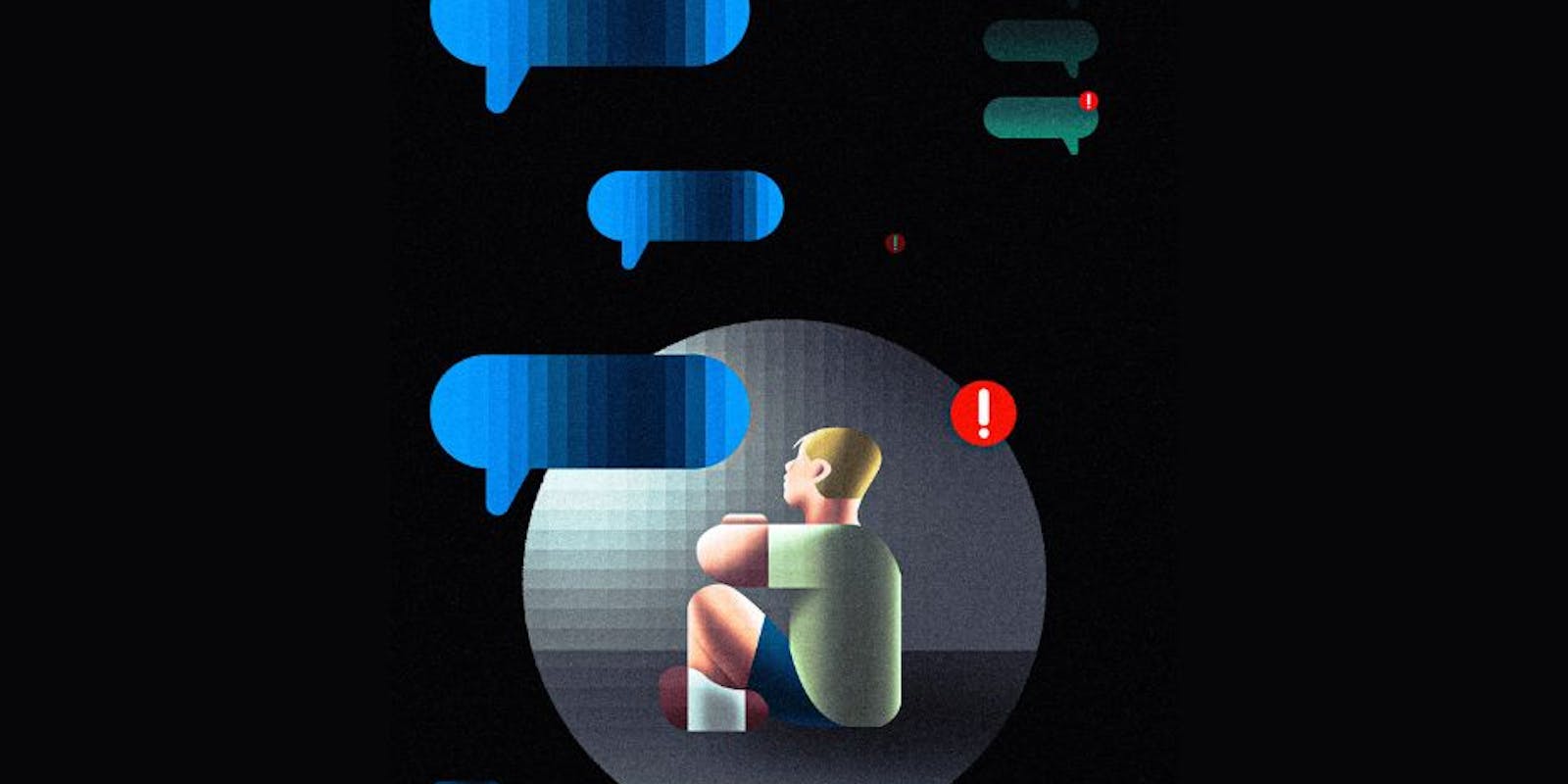
Schools face a growing dilemma as teenagers turn to artificial intelligence chatbots for mental health support, raising questions about whether institutions should formally integrate these tools into their counseling infrastructure.
Adolescents report feeling less judged by AI systems than by human counselors, according to recent surveys cited by education researchers. The anonymity and non-judgmental nature of chatbots removes social anxiety barriers that often prevent teens from seeking help. Some students describe AI conversations as judgment-free spaces to process emotions without fear of peer discovery or parental notification.
Schools already struggle with counselor shortages. The American School Counselor Association recommends a 1-to-250 student-to-counselor ratio, yet most districts operate at 1-to-500 or worse. AI tools could theoretically extend mental health support capacity during off-hours and complement human counseling rather than replace it.
However, significant risks accompany adoption. AI systems cannot diagnose mental illness, recognize crisis situations, or respond to suicidal ideation with the clinical expertise required in emergency scenarios. Training data biases embedded in these systems may reinforce harmful mental health advice. Students who rely exclusively on chatbots for serious conditions like depression miss access to medication, therapy, and human connection.
Privacy concerns also loom. Schools must determine whether student conversations with AI systems constitute educational records subject to FERPA protections. Commercial AI platforms often retain user data, raising questions about teen privacy and corporate access to sensitive psychological information.
Some districts experiment cautiously. Certain schools pilot AI tools as supplementary resources for stress management and coping strategies, while maintaining human counselors as gatekeepers for serious mental health concerns. Others require parental consent and limit functionality to non-crisis support.
Education technology experts recommend schools establish clear protocols before deploying AI for mental health. Counselors should retain primary responsibility for assessment and crisis response. AI works best