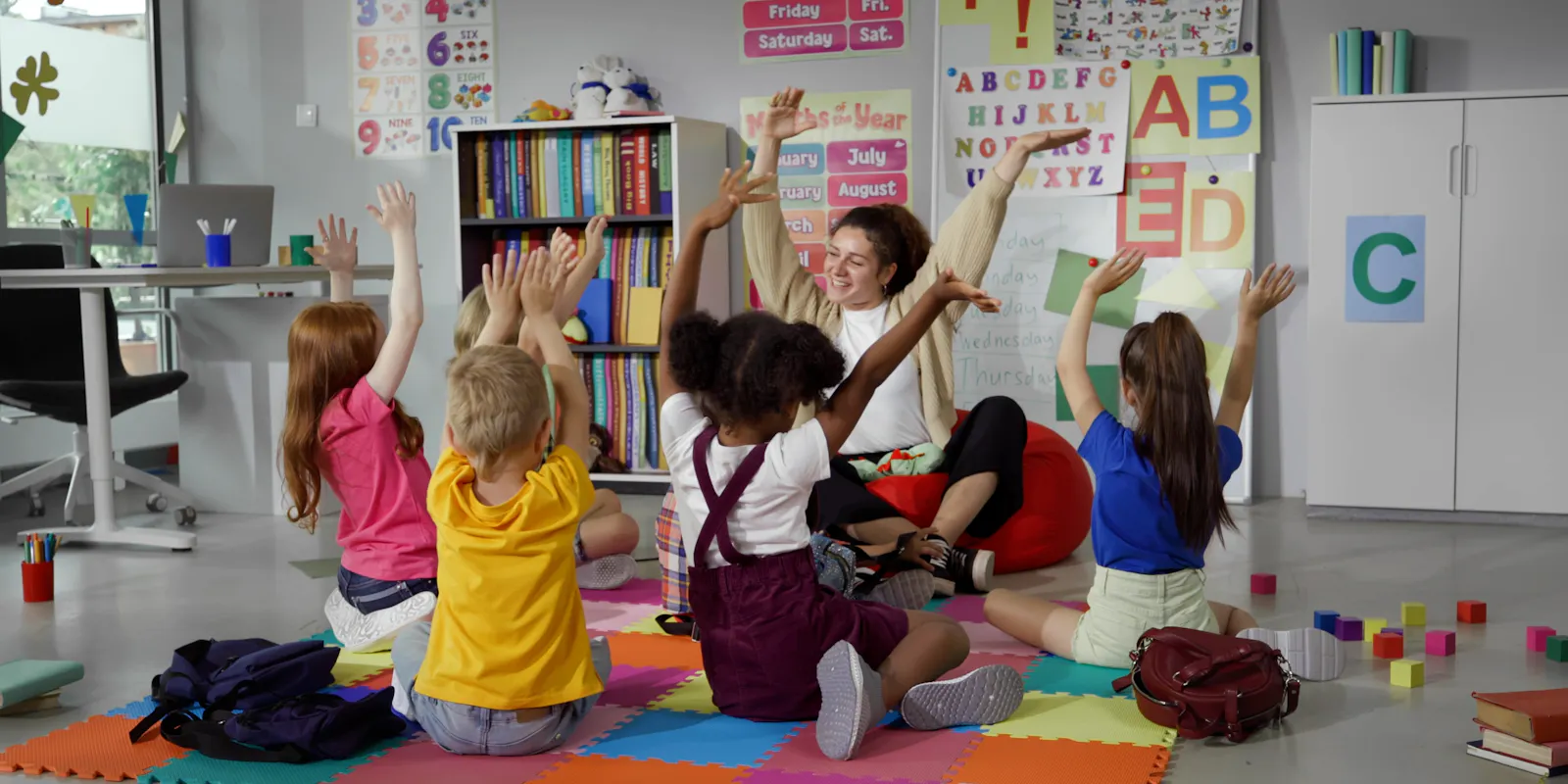
California has reached a historic enrollment milestone in publicly funded preschool, with 62 percent of 4-year-olds now attending programs supported by public funding. This represents the highest participation rate the state has recorded.
The surge reflects California's substantial investment in early childhood education over the past decade. The state expanded access through multiple funding streams, including transitional kindergarten programs and dedicated preschool initiatives. These efforts aimed to close equity gaps by offering free or subsidized care to families across income levels.
Universal pre-K advocates point to research showing that high-quality early education improves kindergarten readiness, boosts graduation rates, and increases lifetime earnings. Children who attend preschool demonstrate stronger social-emotional development and academic preparation. California's push toward universal access addresses both educational outcomes and workforce participation, particularly for parents returning to employment.
The enrollment growth has not come without challenges. Educators report persistent staffing shortages and wage gaps that make it difficult to attract and retain qualified teachers. Many programs struggle with facility capacity and infrastructure needs. The cost of scaling up remains substantial, requiring ongoing state funding commitments.
Despite these obstacles, California's progress outpaces many states. Federal data shows that nationwide, roughly 60 percent of 4-year-olds attend some form of publicly funded preschool. California's 62 percent enrollment places it among the leaders in early childhood access.
The state's achievement comes as national attention focuses on early education as a lever for economic mobility. Economists note that every dollar invested in quality preschool yields seven dollars in long-term benefits through reduced special education costs, lower crime rates, and higher tax revenues from higher-earning adults.
California's next challenge involves maintaining quality as programs expand. Policymakers must balance enrollment goals with teacher compensation, classroom ratios, and curriculum standards. Sustained funding and workforce development will determine whether this enrollment growth translates into genuine