# Smart Contact Lenses Show Promise in Depression Treatment on Mice
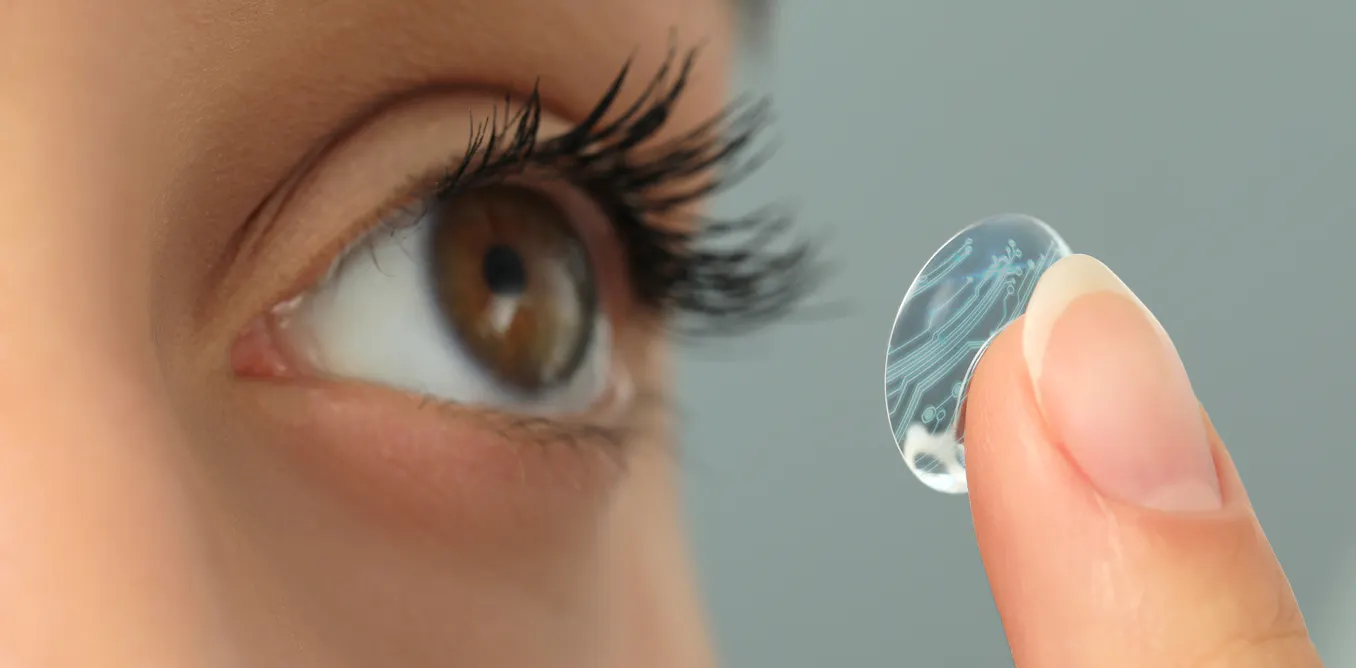
Researchers have developed contact lenses embedded with microelectrodes that deliver targeted electrical stimulation to treat depression in mice. The lenses successfully reduced depressive symptoms in laboratory animals through a process called optogenetics, which uses light and genetic modification to control specific brain circuits.
The technology works by stimulating the ventral tegmental area, a brain region linked to mood regulation and motivation. In the mouse studies, the lenses reduced behavioral markers of depression and improved responses to stimuli that typically trigger avoidance in depressed animals. Researchers were able to control the stimulation remotely, allowing precise timing and dosage of treatment.
This approach differs from existing antidepressants, which affect brain chemistry broadly. Instead, the smart lenses target specific neural circuits responsible for mood dysfunction. The technology combines three elements: biocompatible contact lens material, wireless power transmission, and miniaturized electrode arrays capable of delivering electrical pulses directly to brain tissue.
However, significant obstacles remain before human trials could begin. The current study relied on optogenetics, which requires genetic modification of brain cells to respond to stimulation. This technique is not yet viable for human use due to safety and ethical concerns. Researchers must develop a version that works without genetic engineering.
Translating the technology from rodent models to humans presents engineering challenges. Human brains are larger, and the precision required to target specific circuits increases substantially. Researchers also need to address biocompatibility concerns, ensure the lenses remain stable during extended wear, and establish proper dosing protocols for humans.
The work represents an early proof-of-concept. While the results demonstrate that contact lens-based brain stimulation can reduce depressive behaviors in animals, the pathway to clinical application remains years away. The research team emphasizes this remains experimental science, with significant development needed before any human applications become