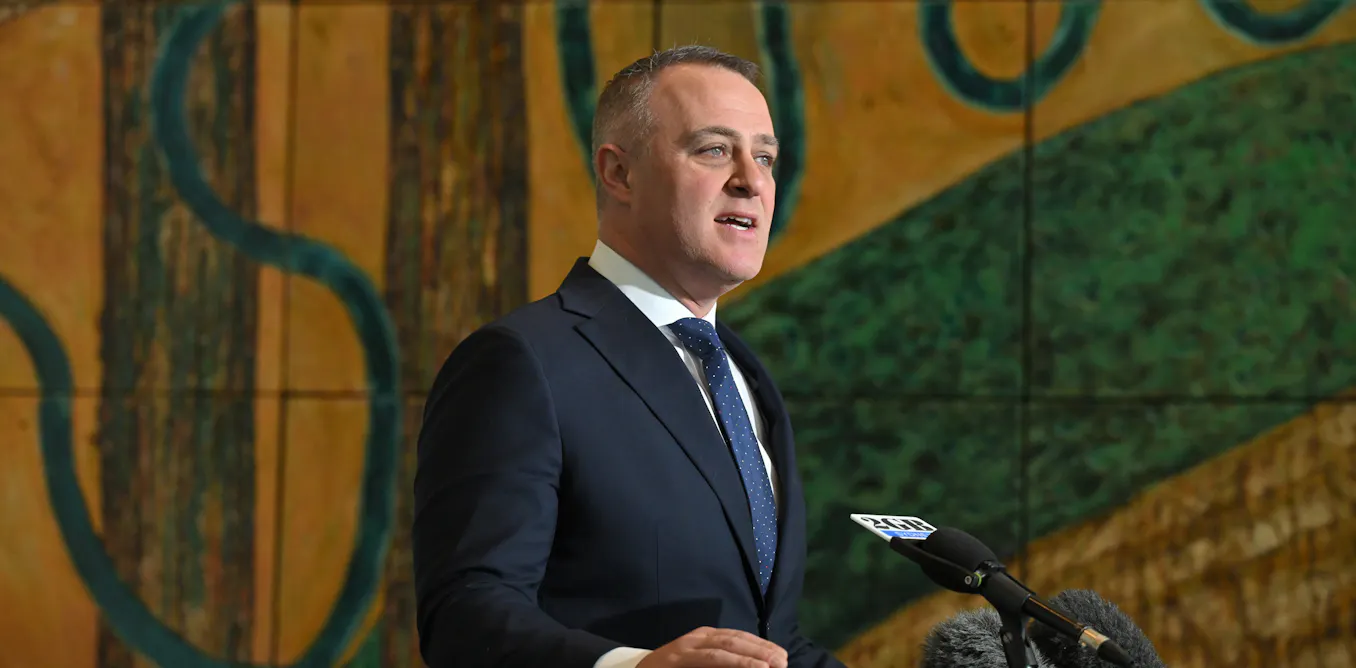
Tim Wilson, the opposition shadow treasurer, has accused the Labor government of implementing tax changes that will harm young Australians' economic prospects. Wilson argues the budget measures will increase rental pressure and damage the financial futures of younger generations.
The core dispute centers on Labor's tax policy decisions. Wilson contends these changes will "kneecap" young people attempting to build wealth and achieve financial independence. His specific concern focuses on how the tax measures could inflate housing costs, already a major barrier for first-time buyers and renters.
Housing affordability ranks among the top economic concerns for Australian young adults. Rent increases directly reduce the discretionary income available for savings, education investments, or other financial goals. Wilson's argument connects tax policy to real housing market outcomes, claiming Labor's approach will worsen these pressures.
The opposition plans to make this tax critique central to their budget response strategy. By framing the measures as disadvantageous to younger voters, Wilson targets a demographic segment facing compound economic headwinds. Australian youth already contend with elevated property prices, student debt, and wage stagnation compared to previous generations.
Labor's position on these tax changes remains embedded in the government's revenue strategy. The debate reflects broader disagreement about whether tax modifications support or hinder economic growth and opportunity for younger Australians.
Wilson's framing positions the opposition as defenders of youth economic interests against what he characterizes as Labor policies with hidden costs. This argument aims to resonate with voters under 35, a group where housing and cost-of-living concerns dominate political calculations.
The underlying question centers on tax policy's ripple effects through housing markets and household budgets. Whether Wilson's predictions about rental pressure hold depends on how landlords, investors, and developers respond to the tax environment Labor creates. His claims will face scrutiny as the budget cycle unfolds and economists analyze the actual impact on housing supply and rental markets.
CATEGORY