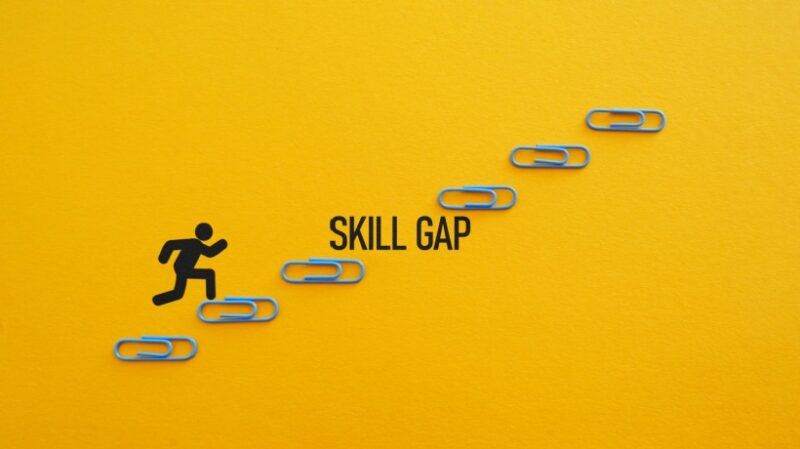
Organizations pump millions into training programs each year, but many fail to deliver results because leaders misunderstand what they're actually trying to fix. The core problem: confusion between abilities, skills, and competencies.
Abilities are innate capacities, like reasoning or physical coordination. Skills are learned and practiced techniques you can demonstrate. Competencies blend both with the context of job performance. When organizations conflate these three, their training interventions miss the mark.
A manager might assume low sales numbers stem from a skills gap when the real issue is an ability gap, or vice versa. Sending a struggling sales representative to a negotiation workshop works only if negotiation skills are the bottleneck. If the person lacks analytical ability to read market trends, no amount of skill training fixes the problem.
The same applies to competencies. An employee might possess strong technical skills but lack the competency to apply them in high-pressure situations or team environments. Training designed to teach the skill won't address the competency deficit.
This distinction matters because training dollars are finite. Organizations that invest without first diagnosing the actual gap waste resources and frustrate employees who attend irrelevant programs. The solution requires assessment before intervention. Leaders should ask: Does this person lack the capacity to do this? Do they lack knowledge or practice? Or do they have the knowledge but can't execute it in their specific role?
Research from talent development professionals shows organizations that conduct root-cause analysis before designing training see 40 percent higher performance improvement than those that skip diagnosis. The difference lies in precision. Training addresses skills and knowledge, but abilities often require different interventions like role redesign or job fit assessment. Competency gaps sometimes need mentoring or coaching rather than classroom instruction.
The takeaway for HR leaders and learning professionals is straightforward: stop assuming all performance problems are training problems. Invest time upfront to distinguish between abilities, skills, and competencies