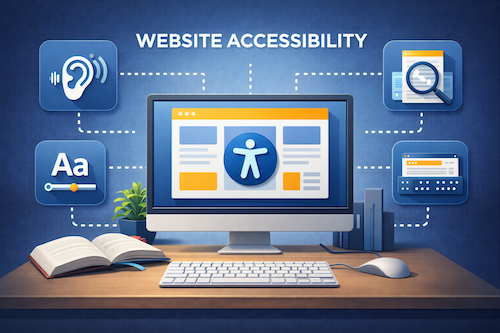
Schools face new digital accessibility requirements under updated Americans with Disabilities Act guidance, with compliance deadlines rapidly approaching. The enforcement push affects how districts deliver content to students, parents, and community members with disabilities.
Federal regulators now expect schools to meet specific technical standards for websites, learning management systems, and educational software. These standards include alt text for images, captions for videos, keyboard navigation for all digital tools, and readable color contrast. Districts that fail to comply risk losing federal funding and facing civil rights complaints.
The timeline matters. Schools have limited time to audit their digital infrastructure, identify gaps, and implement fixes. Many districts lack dedicated accessibility coordinators or funding to overhaul legacy systems. Small and rural schools face particular challenges; they often operate with minimal IT staff and tight budgets.
Compliance extends beyond websites. Schools must ensure that online learning platforms, testing software, document libraries, and communication tools work for students with visual, hearing, mobility, and cognitive disabilities. A student using a screen reader must navigate a learning platform as effectively as a sighted peer. A deaf student must access video content through captions or transcripts.
Districts should start with an accessibility audit. This means testing current digital tools against Web Content Accessibility Guidelines (WCAG) 2.1 Level AA standards, the baseline most regulators expect. Schools should document findings, prioritize fixes, and allocate resources strategically.
Professional development matters too. Teachers and staff need training on creating accessible documents, writing descriptive alt text, and using accessible design principles. Procurement departments should evaluate vendors on accessibility features before purchasing new tools.
The compliance push reflects a broader shift toward inclusive education. Schools that invest in accessibility benefit all learners. Students with temporary injuries, older adults in the community, and English language learners often benefit from captions, transcripts, and clear navigation.
Districts that wait until deadlines pass face costly remediation. Acting now positions