# Summary
The escalating U.S.-Israel military tensions with Iran are creating economic pressure on Gulf oil-producing states, testing their historical commitment to the petrodollar system, according to analysis from The Conversation.
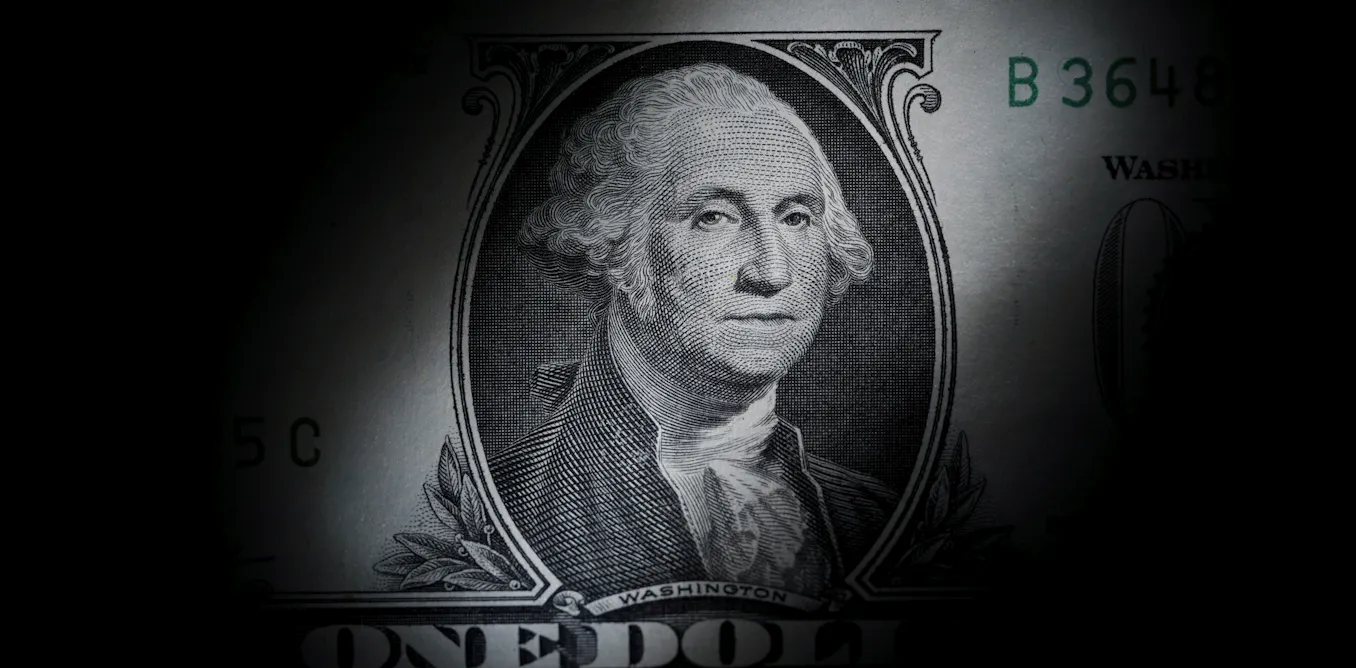
For decades, Persian Gulf nations like Saudi Arabia and the United Arab Emirates have reinvested their oil revenues into American assets, bonds, and markets, anchoring global reliance on the U.S. dollar for energy transactions. This arrangement has benefited the American economy while binding oil exporters to dollar-based financial infrastructure.
The current geopolitical conflict threatens this stable arrangement. Gulf states face mounting pressure from Iran, its regional proxies, and domestic political opposition to continued alignment with U.S. military policy. If these nations reduce their dollar holdings or redirect oil sales toward non-dollar currencies, it could weaken American financial dominance globally.
The petrodollar system, established after the 1973 oil embargo, has remained central to U.S. economic power for fifty years. It guarantees demand for American currency regardless of domestic economic conditions, funding federal deficits and supporting American influence abroad.
However, several factors are straining this foundation. Gulf states increasingly question whether U.S. security guarantees remain valuable given regional instability. China and Russia actively work to displace the dollar from energy markets, offering alternative payment mechanisms. Domestic constituencies in Gulf nations view unconditional support for U.S. military action as costly.
The Iranian conflict forces Gulf leaders to calculate whether deepening ties to American financial systems remains their optimal strategy, or whether diversification into other currencies and markets offers better protection. These decisions will determine whether the petrodollar maintains its post-war dominance or gradually loses influence.