# Summary
Your body's internal clock shapes how effectively you exercise, and timing workouts to match your natural rhythm can amplify fitness gains.
Research on chronotypes—the biological patterns that make some people morning people and others night owls—reveals real performance differences. People exercise with greater strength and endurance during their peak circadian hours. Morning types typically perform better during early workouts, while evening types show superior performance later in the day.
The science extends beyond simple preference. Studies document that muscle strength peaks in late afternoon and early evening for most people, roughly 3 to 6 p.m. However, this general pattern varies by individual chronotype. Someone naturally alert at dawn may experience their physiological peak earlier than someone who struggles before noon.
Body temperature also plays a role. Your core temperature rises throughout the day, reaching its highest point in evening hours. Higher body temperature correlates with improved muscle function and flexibility, which explains why many athletes perform better during later hours.
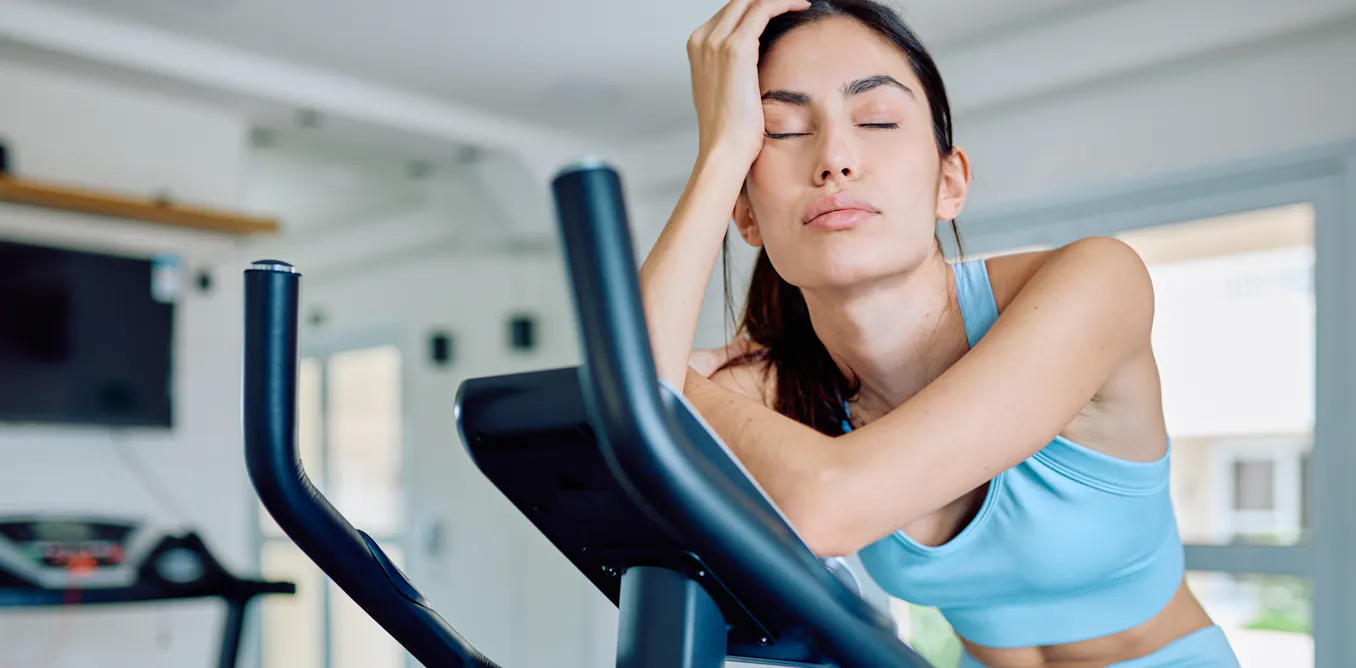
Practical implications matter for students and athletes balancing schedules. A student with an evening chronotype forced into early morning classes likely exercises poorly if they train before school. Similarly, a morning person hitting the gym at night may not see expected results from the same workout.
Chronotype also affects injury risk. Body temperature and neuromuscular coordination—both tied to circadian rhythm—influence injury rates. Working out during your body's low periods increases injury risk.
The takeaway for fitness: matching exercise timing to your natural chronotype improves performance, reduces injury risk, and maximizes training benefits. Schools and athletic programs that recognize these individual differences in scheduling training sessions could see measurable improvements in student-athlete outcomes.
This doesn't require dramatic schedule changes. Understanding whether you're a morning or evening type and protecting that peak window for important workouts produces real results.