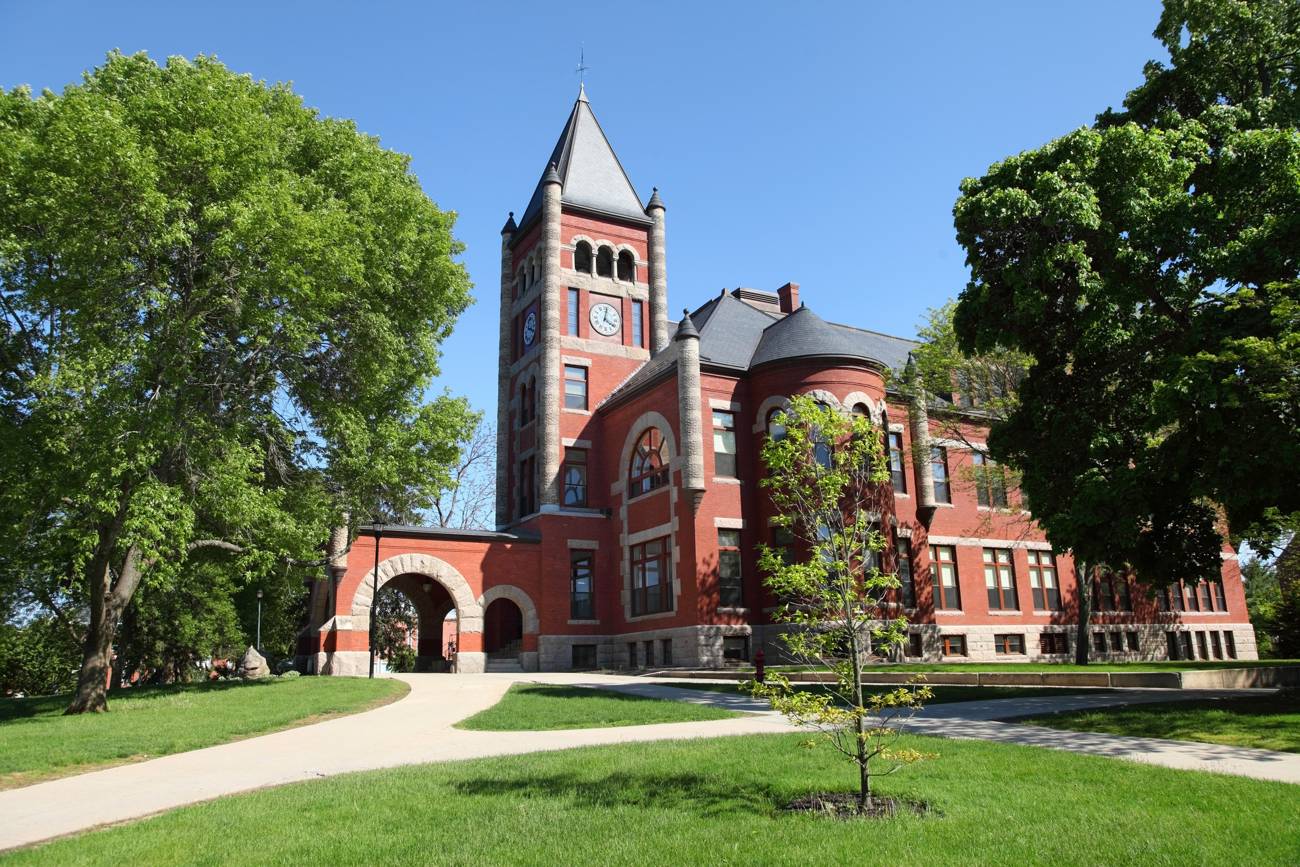
University of New Hampshire will deploy artificial intelligence to announce graduates' names at its upcoming commencement ceremony, a decision that has drawn backlash from students who view the technology as impersonal and diminishing a milestone moment.
The university has not yet detailed which AI system it selected or provided a timeline for implementation. Student complaints center on a core concern: graduation name readings carry symbolic weight. Having a human voice deliver each name represents institutional recognition of individual achievement. An AI voice removes that human element.
This choice reflects a broader tension in higher education. Universities increasingly adopt AI tools to streamline operations and cut costs. Commencement ceremonies present a particular test case because they blend logistical necessity with ceremonial meaning. Reading hundreds of names takes time; AI can process them quickly and with consistent pronunciation. Yet students and families attend graduation specifically to witness this public acknowledgment.
UNH has not disclosed whether cost savings, pronunciation accuracy, or other operational factors drove the decision. The university also has not addressed whether students can opt out or request a human reader.
Some universities have experimented with AI for graduation logistics without sparking significant protest, but commencement ceremonies remain emotionally charged events for students and families. Unlike routine administrative tasks, name announcements happen once per student and carry irreplaceable personal meaning.
The pushback at UNH suggests institutions cannot simply apply efficiency gains to ceremonies without considering how students perceive them. Universities balance fiscal responsibility with student experience constantly. Graduation represents a rare moment where the two interests collide directly.
UNH has not released statements responding to student concerns or confirming details about the AI implementation. The university faces a choice between defending the technology's efficiency or reconsidering its application to an event where students expect human recognition of their accomplishment.