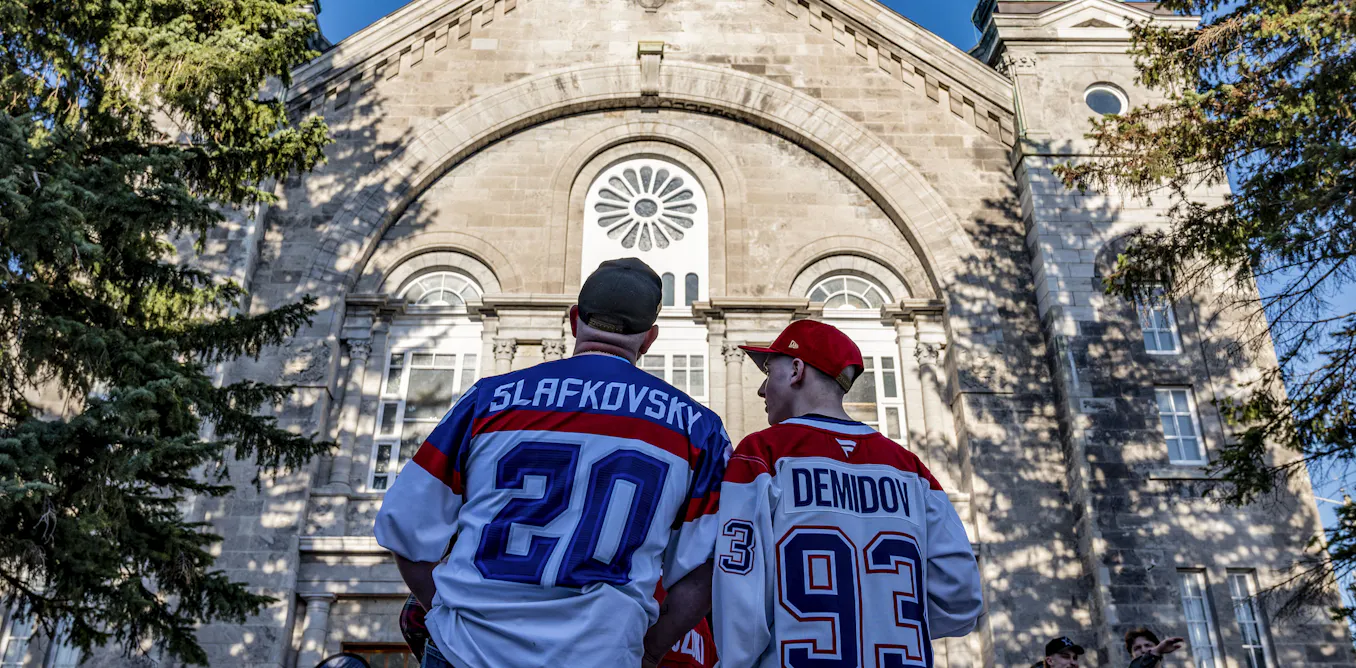
Two religion scholars have analyzed the Montreal Canadiens' playoff run as a window into how sports function as spiritual practice. The researchers examined fan devotion to the storied NHL franchise, exploring what their commitment reveals about belonging, faith, and communal meaning-making.
The scholars frame hockey fandom not as mere entertainment consumption but as a form of secular spirituality. Fans invest emotional and temporal resources in following the team. They gather in communities, both physical and digital. They develop rituals around games. These patterns mirror religious practice.
The analysis suggests that sports communities fill genuine human needs. People seek belonging. They want to participate in something larger than themselves. They crave shared identity and purpose. For Montreal Canadiens fans, the team provides all of this. The red, white, and blue jersey becomes a symbol of connection to city, history, and each other.
The research touches on what sociologists call "secular sacred spaces." Arenas function as temples. Game days become pilgrimage. The roar of the crowd during playoff moments creates transcendent experiences that fans describe in spiritual language.
This framework matters for understanding modern life. Religious institutions have declined in influence across North America. Yet humans have not stopped seeking transcendence or community. Sports provide an accessible, socially sanctioned outlet for these deep needs. The Montreal Canadiens' passionate fanbase demonstrates how institutional loyalty, collective ritual, and shared narrative create meaning in contemporary secular society.
The scholars' work adds nuance to conversations about faith and belonging. It shows that spirituality does not require traditional religion. It emerges wherever people gather with shared purpose and commitment. For Canadiens fans, playoffs become theology.