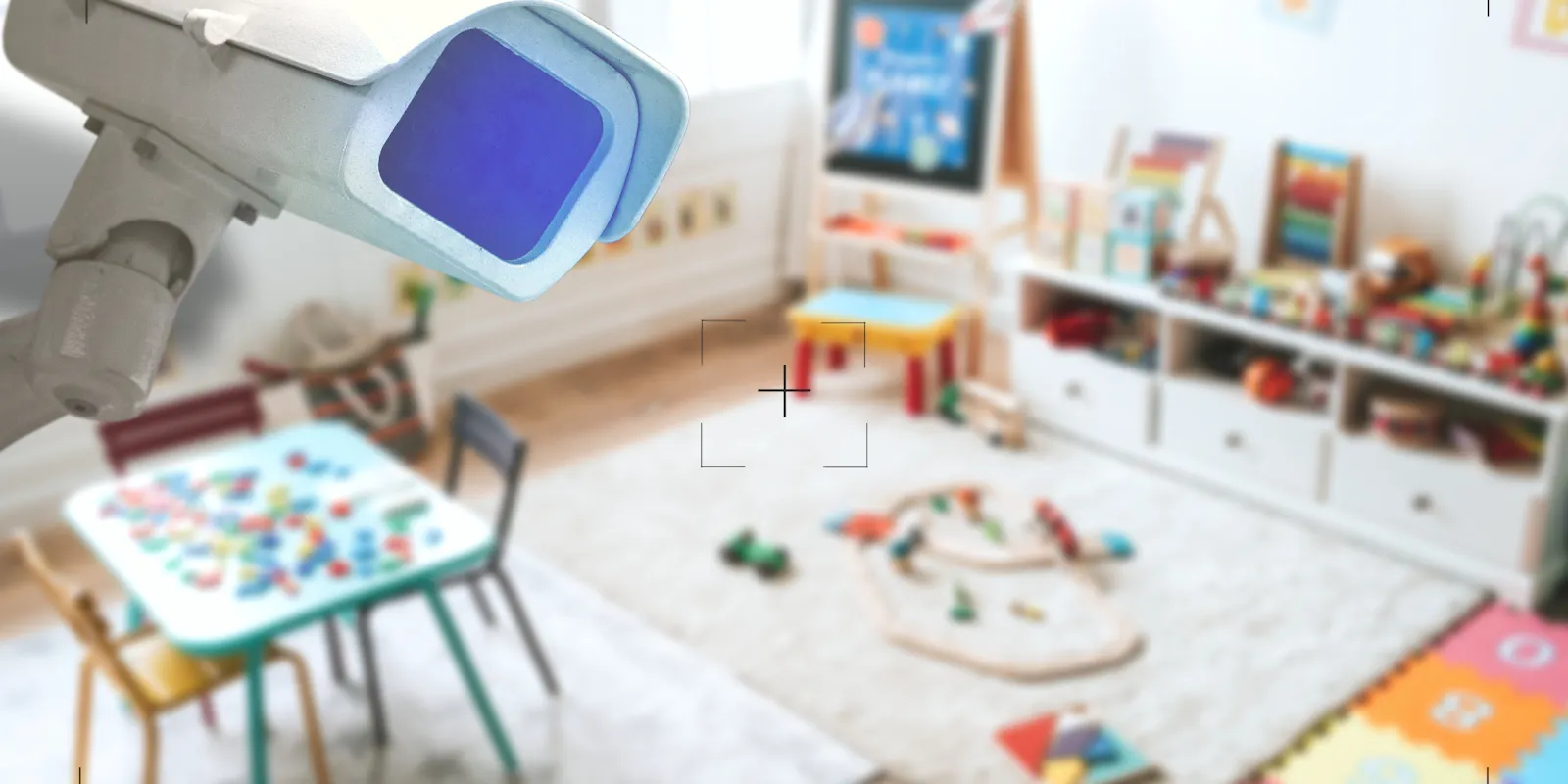
Several states are installing cameras in special education classrooms, citing safety and accountability concerns. The push has divided disability advocates and parents over whether monitoring protects vulnerable students or violates their privacy.
Proponents argue that cameras document potential abuse, provide evidence for disputes between families and schools, and create incentive for staff to follow proper protocols. Special education students often cannot easily report mistreatment, making video documentation valuable for protection.
However, disability rights organizations raise concerns about the practice. Advocates worry that constant surveillance stigmatizes students with disabilities, treats them as subjects to monitor rather than learners to trust, and may chill meaningful interactions between teachers and students. Some also question whether camera footage actually leads to improved outcomes or serves primarily as liability protection for districts.
The conversation reflects broader tensions in special education. Students with disabilities experience higher rates of physical restraint and seclusion than peers without disabilities, creating genuine safety concerns. Yet responses must balance protection with dignity and inclusion.
States implementing camera policies include those that have documented abuse cases or high rates of restraint incidents in special education settings. Schools typically require parental consent and limit footage access to administrators, special education coordinators, and families. Some districts frame cameras as tools for staff training and behavior analysis.
Privacy experts note that camera placement matters. Footage in bathrooms and changing areas crosses clear lines. Monitoring general classrooms raises fewer ethical red flags than targeting specific students.
The debate lacks comprehensive data on camera effectiveness. No major studies demonstrate that surveillance reduces abuse or improves student outcomes. Implementation varies widely across districts, making comparison difficult.
Disability advocates push for alternative accountability measures: stronger staff training, independent investigations of incidents, and transparent discipline policies. They argue that building trust between families and schools matters more than recording devices.
This conversation will likely intensify as more states consider policies. Districts weighing cameras should involve disability advocates, parents, and students in policy development rather than implementing