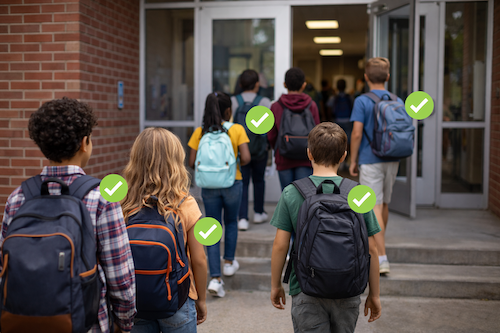
School districts nationwide are fixating on attendance rates while ignoring deeper problems that keep students from learning once they arrive in class, educators and researchers warn.
The push to boost attendance numbers has become intense. Districts track chronic absenteeism, launch initiatives to get kids into seats, and face pressure from state and federal policy makers. But this laser focus on presence masks a harder truth: many students who show up still struggle academically and emotionally.
Schools measure what's easy to count. Attendance generates clear metrics. Districts can report whether a student was physically present or absent. Classroom readiness, engagement, and learning loss require more complex assessment and intervention.
Experts say the disconnect matters because attendance alone tells an incomplete story. A student sitting in class but dealing with trauma, food insecurity, or unmet mental health needs remains disconnected from learning. Districts addressing only the attendance piece miss the chance to identify and support students who need help.
The problem compounds in lower-income districts. Students facing transportation barriers, unstable housing, or family employment demands often miss more school. Pushing them to attend without addressing root causes creates friction without results.
Some districts recognize this gap. They're pairing attendance initiatives with wraparound services: food programs, mental health counselors, transportation support. Schools that connect attendance recovery to broader student support systems see better outcomes than those treating attendance as a standalone problem.
Policymakers have also focused narrowly on absenteeism rates as an accountability measure. When districts face pressure to reduce chronic absences by specific percentages, they sometimes invest all resources there, leaving other student needs unmet.
The attendance obsession also risks penalizing families. Students with legitimate absences due to health, family obligations, or legitimate reasons face pressure. The messaging shifts from "come to school because learning matters" to "show up or face consequences."
Educators say the solution requires reframing. Districts should