States report rising rates of problem gambling among teenagers, prompting education researchers and advocates to push schools to teach gambling literacy as a core financial skill.
The argument centers on a straightforward premise: young people encounter gambling opportunities earlier and more frequently than previous generations. Sports betting apps, online casinos, and social media gambling normalize the behavior. A 2023 survey found that roughly one in five high school students gambles regularly. Problem gambling affects an estimated 2 percent of adolescents, comparable to rates among adults.
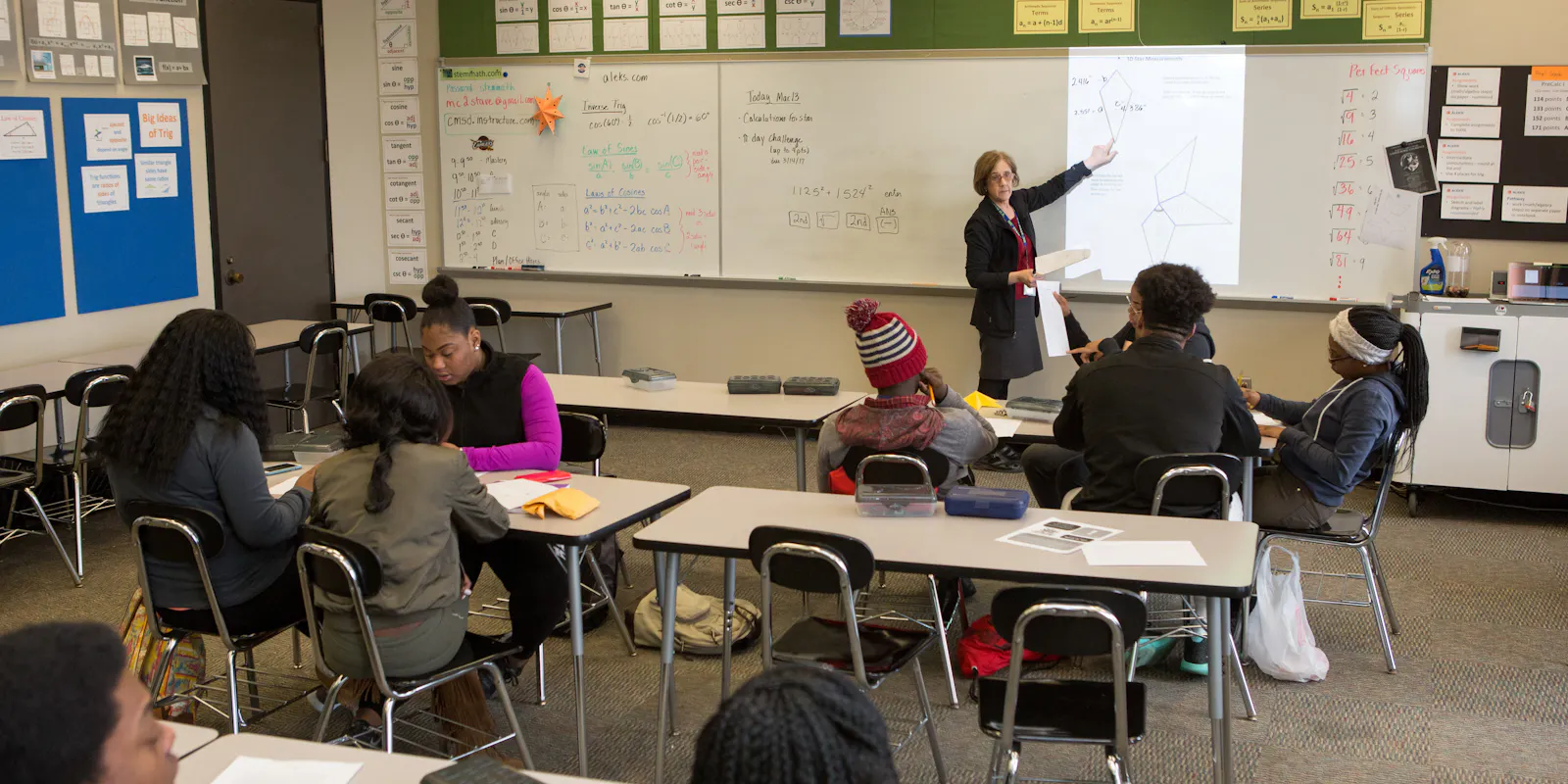
Proponents argue gambling literacy belongs in math and financial literacy classes alongside topics like compound interest and budgeting. The curriculum would teach students probability theory using gambling as a real-world context. Students would learn how odds work, why house edges exist, and how cognitive biases like "near misses" drive continued play.
"This is where math becomes tangible," researchers note. Students understand probability faster when discussing slot machines or sports betting than abstract examples.
The Nevada Board of Education became the first state board to mandate problem gambling education in 2023. Schools now integrate the topic into health and financial literacy classes. Other states, including Connecticut and Pennsylvania, explore similar requirements.
Critics worry schools lack trained teachers and appropriate curriculum materials. They also question whether teaching the math of gambling inadvertently normalizes the behavior. Some parents object on religious or moral grounds.
Education leaders suggest training existing math and health teachers through professional development programs rather than hiring specialists. Organizations like the National Council on Problem Gambling provide free lesson plans aligned with state standards.
The debate reflects a broader shift in schools toward "real world" financial education. Districts increasingly teach about credit scores, taxes, and investment risk. Gambling literacy fits this trend by teaching decision-making under uncertainty, a skill applicable far beyond gambling.
THE TAKEAWAY: Schools face pressure to address a growing behavioral risk among teenagers by teaching the mathematics and psychology of gambling, though