School leaders face a persistent challenge: implementing educational reforms that actually stick. New initiatives, instructional frameworks, technologies, and student support systems consistently launch with fanfare but fail to take root. Research increasingly shows that sustainable change requires one overlooked element: authentic educator input.
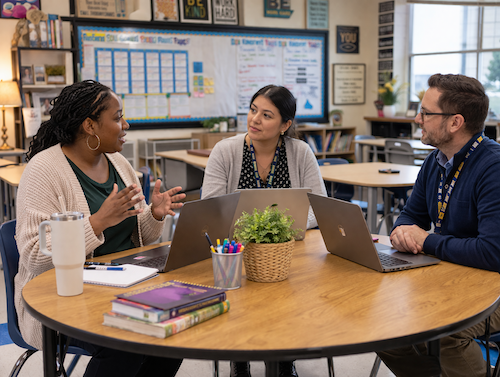
When teachers and support staff shape the direction of their schools, reform efforts transform from top-down mandates into shared commitments. Teachers understand daily classroom realities. They know which strategies work with their specific student populations, which tools create logistical nightmares, and where implementation breaks down. Excluding their voices from decision-making guarantees friction and resistance.
Schools that prioritize educator voice report stronger implementation outcomes. Teachers invest in initiatives they helped design. They troubleshoot problems collaboratively rather than quietly abandoning flawed approaches. Professional buy-in translates directly to student outcomes.
The shift requires structural changes. Schools need regular feedback mechanisms. Teachers need seats at planning tables, not just notification of decisions already made. Administrators must genuinely listen to concerns about workload, resource constraints, and classroom feasibility. This takes time and vulnerability from leadership.
Some schools establish educator committees that review and shape new policies. Others use surveys, focus groups, and department meetings to build reform plans collaboratively. The most successful approaches treat teachers as partners in solving problems, not obstacles to overcome.
Districts implementing this approach report improved staff retention, faster adoption of new practices, and stronger cultural alignment around school goals. Teachers feel trusted. Students benefit from instruction designed by practitioners who understand their needs.
The evidence is clear: sustainable school change begins when educators help steer it. This requires shifting from command-and-control leadership to collaborative decision-making. Schools that make this transition build lasting improvements. Those that bypass educator voice waste resources on initiatives that never fully land.
WHY IT MATTERS: Teacher voice directly impacts whether school reforms succeed or fade, affecting instructional quality and student outcomes