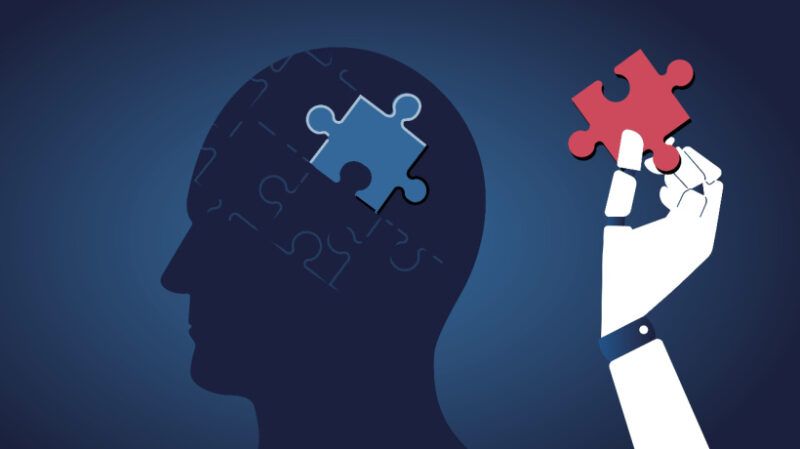
AI systems in education promise to cut through information overload by personalizing learning paths and automating content delivery. But this efficiency comes with a cost that institutions rarely discuss: tunnel vision.
When algorithms decide what students see, learn, and practice, they narrow the learning landscape. A student struggling with fractions may receive an endless stream of fraction problems, missing the broader mathematical concepts those problems serve. A learner interested in climate science might never encounter perspectives that challenge their initial assumptions because the AI optimizes for engagement within their existing interests.
This optimization creates what researchers call "filter bubbles" in educational contexts. Students progress faster through curated material but develop narrower conceptual frameworks. The speed feels like progress, but judgment suffers.
The risk deepens when educators lack AI literacy. Teachers who don't understand how recommendation algorithms work, what training data shaped them, or which biases they carry cannot intervene. Schools deploying adaptive learning platforms from vendors like ALEKS, Knewton, or DreamBox often treat these systems as neutral tools rather than decision-making systems with embedded assumptions.
Organizations addressing this problem build three-part defenses. First, they audit algorithms for blind spots. Does the AI penalize students who learn at different paces? Does it reinforce existing achievement gaps by offering easier content to struggling learners rather than scaffolded support?
Second, they prioritize human oversight. Teachers remain the judgment layer, using AI data to inform decisions rather than replace them. A dashboard showing a student's learning pattern matters. An algorithm that automatically assigns that student to remedial tracks without teacher review invites equity problems.
Third, they invest in AI literacy training for staff. Educators need not become data scientists, but they must understand what algorithms can and cannot do, what questions to ask, and when to override recommendations.
The fastest learning path isn't always the best one. Institutions that recognize this tension, that build