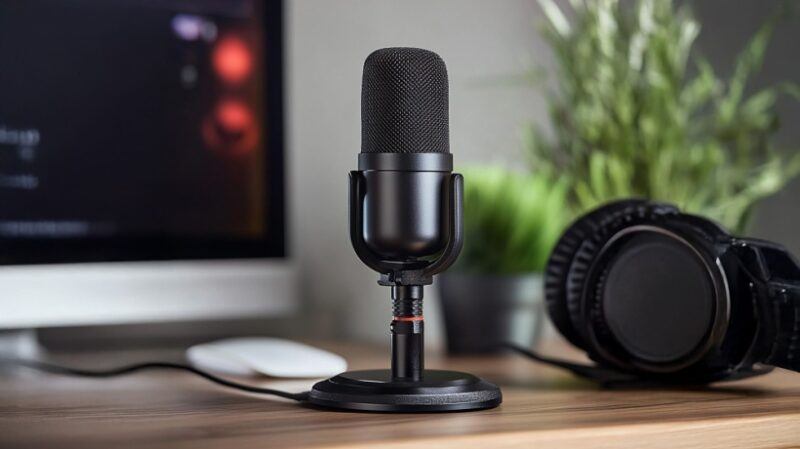
# Podcasting Equipment Guide for Online Learning Educators
Educational content creators increasingly use podcasts to deliver lessons and training materials. A new equipment guide from eLearning Industry provides educators with practical recommendations for starting and scaling podcast production.
The guide addresses a growing need in digital education. As more institutions integrate audio content into course delivery, instructors and instructional designers require clear guidance on selecting microphones, recording software, and studio tools. The guide spans beginner setups through professional-grade systems, allowing educators to match equipment choices to their budget and production ambitions.
For beginners, the resource identifies entry-level microphones and free or low-cost recording software that deliver acceptable audio quality without major investment. As educators expand their podcast programs, the guide outlines mid-range equipment that improves sound clarity and reduces background noise. Professional setups include higher-end microphones, audio interfaces, mixing boards, and acoustic treatment solutions.
The guide also covers scalable systems. Educational institutions planning to produce multiple podcasts simultaneously need different infrastructure than individual instructors recording solo episodes. The resource helps organizations plan growth by showing how to structure equipment purchases incrementally rather than investing heavily upfront.
Audio content serves specific learning purposes. Podcasts allow students to consume material during commutes or workouts. They accommodate auditory learners and provide accessibility benefits for students with visual impairments. For educators, podcasting supplements text-based online courses and creates asynchronous learning opportunities.
The guide emphasizes that equipment quality affects student experience. Poor audio forces listeners to work harder to understand content, reducing engagement and retention. Clear, professional-sounding podcasts signal course quality and keep student attention.
eLearning Industry positions this resource for instructors, curriculum designers, and training departments considering podcast adoption. The practical approach helps educators make informed purchasing decisions based on their specific teaching context rather than defaulting to expensive professional equipment they may not need.