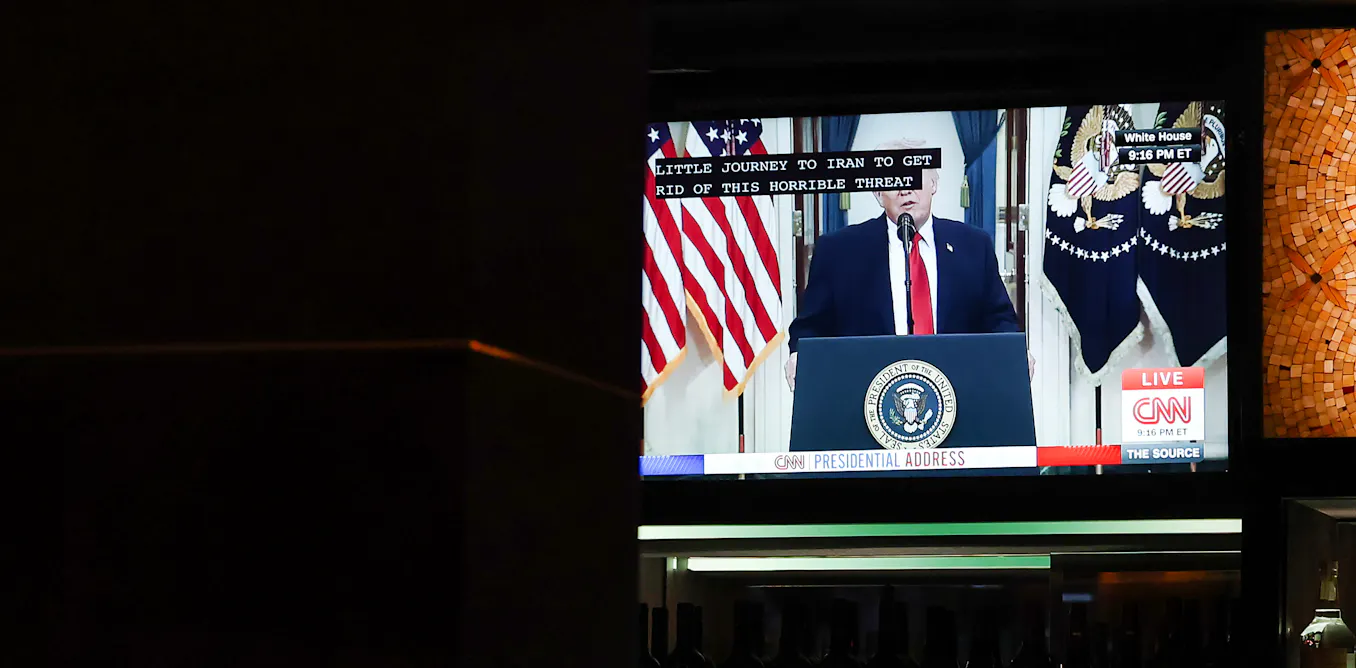
Presidents have long exercised military authority without waiting for congressional approval, sidestepping the 60-day constraint outlined in the War Powers Resolution. Donald Trump's unilateral decision to engage militarily with Iran continues this pattern established by predecessors.
Presidents Obama and Clinton both directed U.S. military operations without explicit congressional authorization. The War Powers Resolution, enacted in 1973 to rein in presidential power, permits presidents to commit armed forces for 60 days before requiring congressional approval. In practice, this deadline functions as a suggestion rather than a binding limit.
Presidents routinely find workarounds. They invoke emergency powers, reinterpret existing authorizations, or simply ignore the clock. Congress rarely enforces the resolution's constraints, lacking political will to challenge sitting presidents or the armed forces.
Legal scholars note the resolution's structural weakness. Presidents can claim self-defense, national security, or humanitarian intervention as justifications for military action. Once troops deploy, Congress faces immense pressure to fund operations and avoid appearing weak on defense.
Trump's approach with Iran demonstrates the resolution's ineffectiveness. Without dramatic congressional action to reassert its authority, presidents will continue treating the 60-day deadline as non-binding guidance rather than law.