# Fragmented Student Data Costs K-12 Schools Dearly
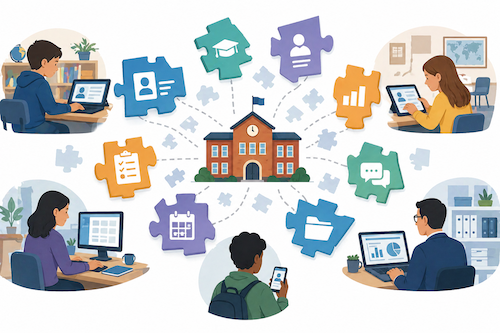
K-12 schools struggle with fragmented student data systems that undermine operational efficiency and damage school-home connections. When student information scatters across multiple platforms and databases, educators lack comprehensive views of learner progress, behavior, and needs.
This fragmentation creates real consequences. Teachers spend excessive time tracking down records instead of planning instruction. Schools duplicate data entry work across systems. Parents receive incomplete or conflicting information about their children's performance. Administrators cannot identify patterns in student outcomes or allocate resources effectively.
The problem stems from schools adopting various specialized tools for different functions. Attendance systems, grade books, special education platforms, and behavioral tracking tools rarely communicate with each other. Data entry errors multiply. Critical information about struggling students gets lost in the gaps between systems.
Schools that consolidate student data into unified platforms see immediate benefits. Teachers access complete student profiles instantly. Parent communication improves with consistent, accurate information. Administrators spot trends in achievement and intervention needs faster. Data-driven decision making becomes possible.
Addressing fragmentation requires schools to audit their current systems, identify data gaps, and invest in integrated solutions. The cost of inaction exceeds the expense of consolidation. When schools streamline data management, they improve instruction, strengthen families' trust, and create better outcomes for students.