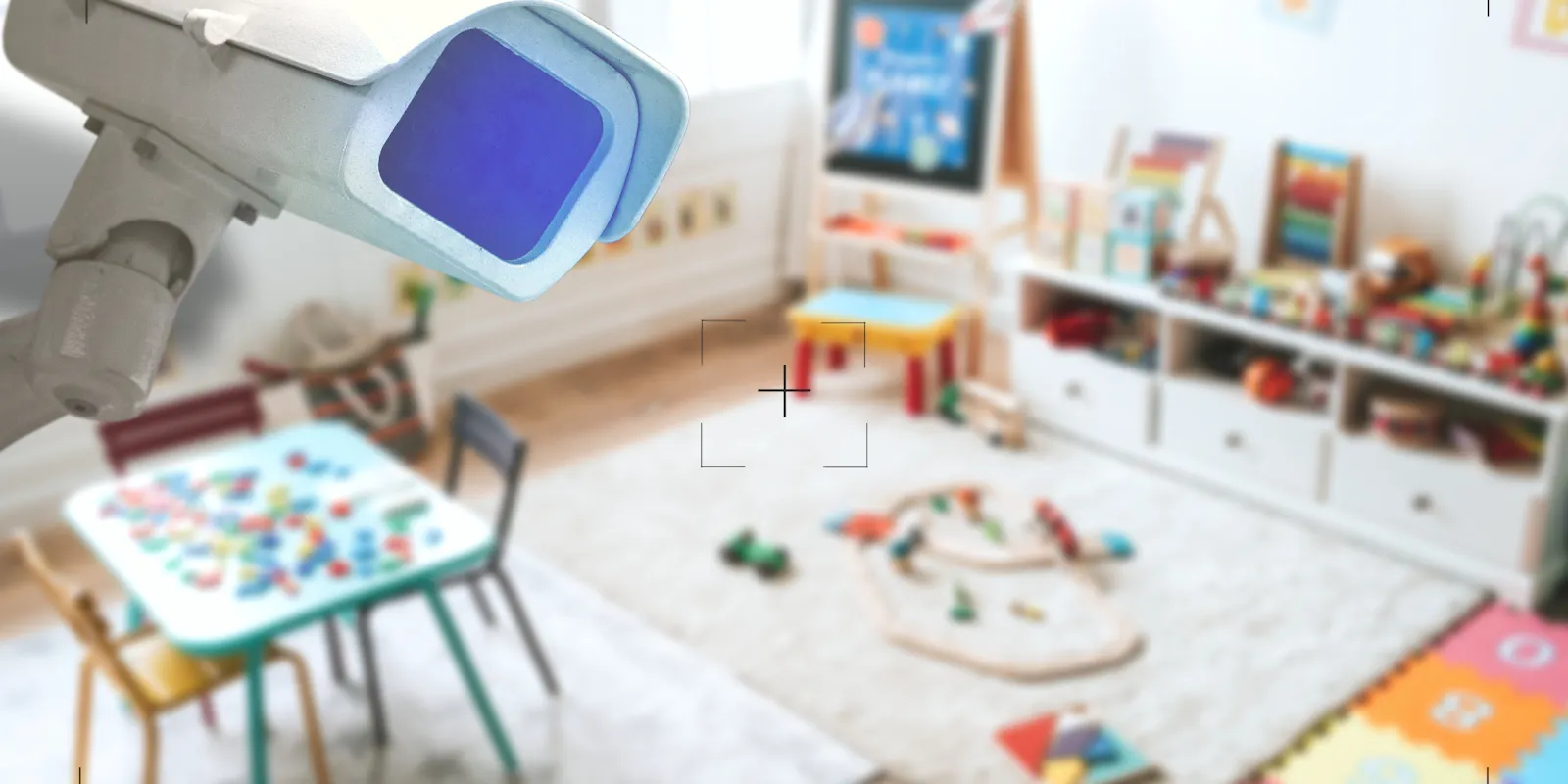
States are expanding surveillance camera installations in special education classrooms, raising concerns among disability advocates and privacy experts. The push stems from schools' desire to monitor student behavior and protect staff safety in classrooms that sometimes involve students with challenging behaviors.
Advocates worry the cameras create an invasive environment that undermines trust and dignity for vulnerable students. They argue the presence of constant recording may escalate tensions rather than prevent incidents. Privacy groups question whether schools properly inform parents about camera placement and data retention policies.
Some states lack clear regulations governing how footage gets used, who accesses it, and how long schools retain recordings. This creates risks that sensitive information about students with disabilities could be mishandled or accessed inappropriately.
Supporters of classroom cameras contend they protect both students and educators by documenting incidents objectively and providing evidence in disputes over what happened during class. School officials say cameras help them understand conflicts and improve staff training.
The debate reflects a broader tension. Schools balance legitimate safety concerns with students' rights to privacy and dignity. Disability rights groups push for stronger safeguards, including transparent policies, limited access to footage, and shorter retention periods. They argue schools should explore alternatives like increased staffing, better training, and behavioral supports before installing surveillance systems.