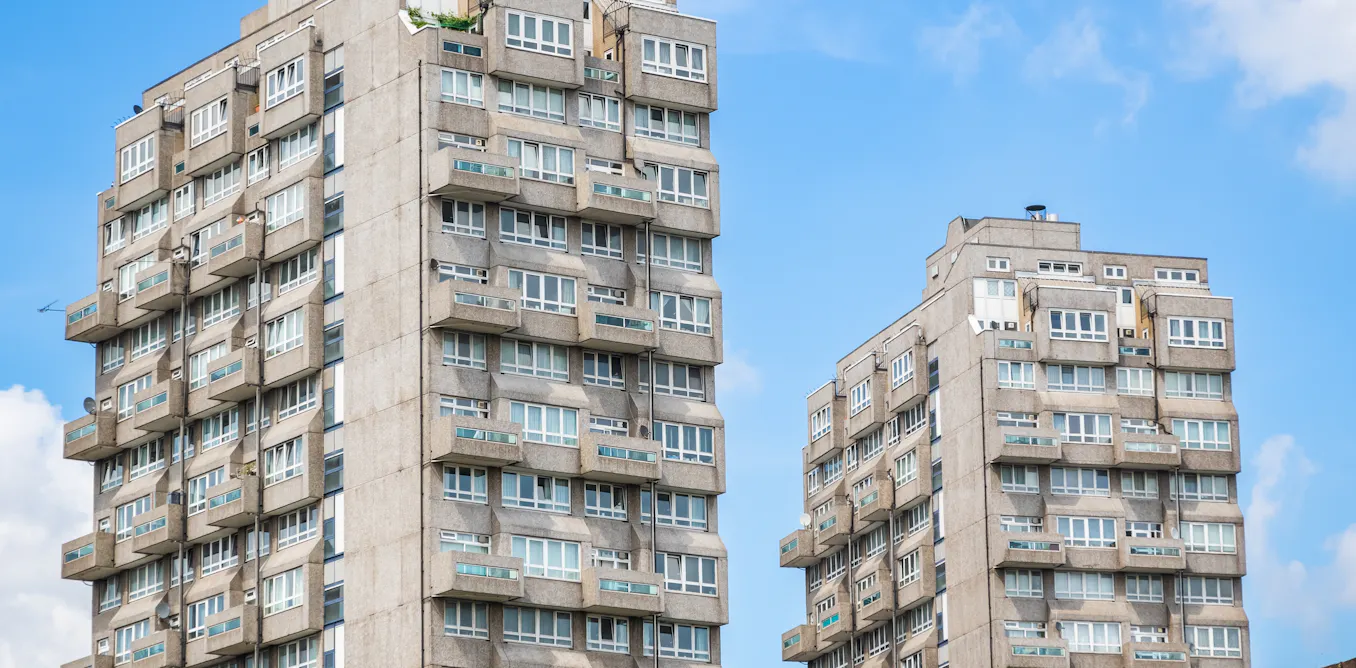
Britain's housing crisis directly damages students' health and educational outcomes. Poor housing conditions undermine learning by disrupting sleep, reducing concentration, and creating stress that follows young people into classrooms.
The research reveals housing instability affects far more than shelter. Students living in inadequate housing struggle with employment prospects, relationship formation, and caregiving responsibilities. Crowded conditions limit space for homework. Damp, cold homes trigger illness that keeps students absent. The instability forces young people to juggle multiple responsibilities simultaneously, fragmenting their attention and energy.
These housing barriers compound existing inequalities. Students from low-income families face the worst conditions, widening achievement gaps between affluent and disadvantaged peers. Poor housing becomes an invisible barrier separating motivated students from academic success.
Schools cannot solve this problem alone. Teachers work with students already disadvantaged by circumstances beyond the classroom. Policymakers must recognize that housing policy directly shapes education policy outcomes.
Britain's declining healthy life expectancy connects directly to housing quality. When students cannot sleep, eat, or focus due to inadequate shelter, their entire developmental trajectory shifts. Addressing the housing crisis represents essential education reform.