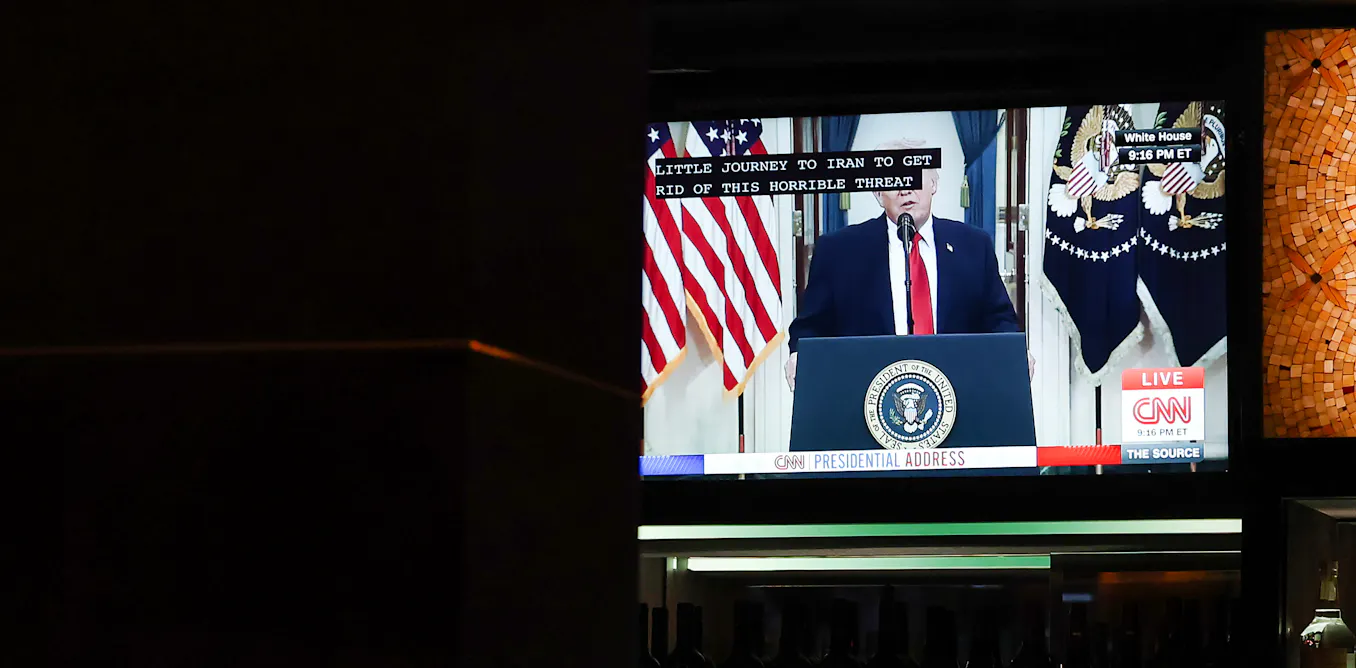
Presidents have repeatedly circumvented the 60-day War Powers Resolution deadline designed to constrain military action without congressional approval. Donald Trump's unilateral decision to engage militarily with Iran follows a pattern established by predecessors Barack Obama and Bill Clinton, both of whom directed U.S. military operations without explicit congressional authorization.
The War Powers Resolution, enacted in 1973 after the Vietnam War, requires presidents to notify Congress within 48 hours of committing armed forces to military action and limits such action to 60 days without congressional approval. Despite this legislative safeguard, presidents have treated the deadline as advisory rather than binding.
Obama conducted strikes in Syria and Libya without formal congressional consent. Clinton launched military operations in the Balkans similarly. These precedents demonstrate that the resolution lacks real enforcement mechanisms to stop determined executives.
The pattern reveals a structural weakness in congressional oversight. Presidents claim emergency powers that effectively nullify the resolution's constraints. Without robust consequences for ignoring the deadline, the law functions as a notification requirement rather than a true limitation on executive authority.
This dynamic raises questions about checks and balances in military decision-making and whether Congress can meaningfully constrain presidential war powers through legislation alone.