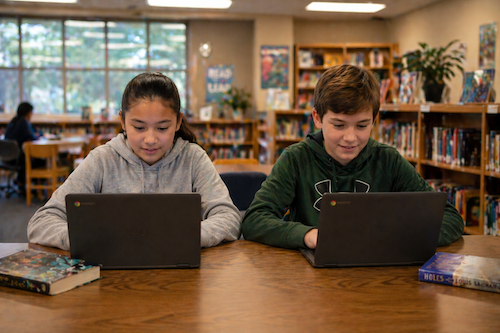
Reading competes for teen attention in a scrolling-focused world. A University of Florida study documents declining reading rates among Americans, signaling that educators face real obstacles in engaging middle and high school students with books.
Five classroom-tested strategies address this challenge. Teachers report success by connecting reading to student interests, offering choice in book selection, building peer discussion into lessons, creating low-pressure reading environments, and integrating digital tools alongside traditional texts.
The approach recognizes that teens today navigate different literacy demands than previous generations. Rather than forcing outdated reading models, educators who adapt instruction to student needs see stronger engagement. Students read more when they select titles that matter to them and discuss texts with classmates in informal settings.
Schools implementing these methods report that reading becomes sustainable, not a chore assigned and forgotten. The shift requires rethinking how educators present texts and evaluate comprehension, moving away from traditional book reports toward conversations and projects that feel relevant to teen lives.
These strategies work because they treat reading as a social practice rather than a solitary assignment. When educators make space for student voice and choice, reading clicks for young people who otherwise might abandon books entirely.